

What is a Carpet Pile?
There are many carpet types, and when categorizing them, we often mention the pile. What is it? A carpet pile is a visible upper layer of the carpet, which may have a different shape and structure. Choosing the right type of carpet is an important aspect of decorating your home. Carpets make the room warm and comfortable, and even thin carpets can add personality to the room. This should be taken into consideration when choosing a carpet for your home.

Types of Carpet Pile
Low Pile Carpet
- Low Pile carpets have a height of under 1/4 inch.
These carpets have dense fabric loops and short fibers. The short fibers of low-pile carpets are usually dense and flat, making the surface of the carpet smoother. Homeowners buy this type of carpet usually for function, not design. Low-pile carpets are effective in any room in your home because they are easy to clean and easy to maintain. They are easy to vacuum clean and can withstand even heavy traffic.
They will not accumulate debris like deep pile carpets. Plus, they are convenient, you can move furniture around without any problems. Fibers of the low pile carpets are shorter, so they will not penetrate furniture like high pile carpets. Even heavy furniture will not crush these carpet fibers. Indeed, low pile carpets also have dents, but they are not that obvious. Low pile carpets are usually cheaper than deep pile carpets.
They are often made of nylon, polyester, and olefin, inexpensive, and have low fluff. Low pile carpets have lower warmth, comfort, and comfort than long-pile carpets. If you need a carpet for the area where you usually walk with bare feet, consider a high pile carpet.
Medium Pile Carpet
- Medium pile carpets are carpets that have fibers of 1/4 to 1/2 inches in size.
These carpets are between high pile carpets and low pile carpets, so it is difficult to determine their advantages and disadvantages. They are suitable for short-pile or deep-pile carpets, but in general, they are always a good choice.
High Pile Carpet
- The shaggy high pile carpet is the one that has 1/2″ to 3/4″ in height.
Although it can be as high as 3/4 inch, those are very rare on the market. High pile carpets are also fluffy and very soft! They provide an extra “buffer effect”, and are very useful when children are around. They are also good when you have neighbors below and want to be as quiet as possible because high pile carpets can isolate the sound much better. High pile carpets are more difficult to vacuum.
They are also not suitable for people with severe allergies, because longer fibers allow more allergens to penetrate. The weight of the furniture is more likely to leave marks on the high pile carpet. Luckily for us, cleaning the high pile carpet is no longer difficult (many people think it is). However, because of the longer fibers, you need to get a special vacuum cleaner.
High piled carpets can be used in areas with little foot traffic. The fluffy carpet has a luxurious appearance and can enhance the beauty of any room. Homeowners install deep pile carpets in their homes because this kind of carpet is warm and comfortable: high pile carpets are a kind of carpet that can be placed in the room to relax. It is also convenient for you to go barefoot when you are walking around in the living room or bedroom.
The fluffy carpet provides an extra cushion for walking and sitting. The carpet is reminiscent of sitting on the floor and spending time with family. When you look at the interior, you almost immediately notice the carpet. Low-pile carpets tend to fade in comparison. High pile retains heat better than low-pile carpets. If your guests or family members like to sit on the floor, they will feel more comfortable on your fluffy carpet.
Cut Pile Carpet
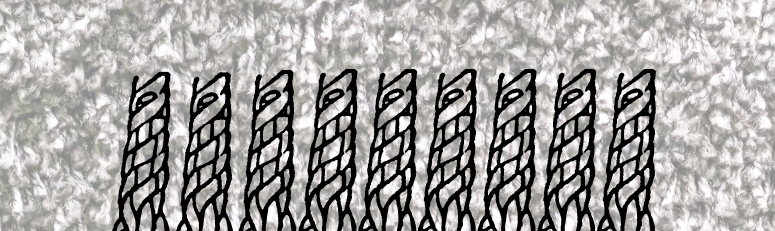
This type of carpet literally has cut fibers on the top, they are shredded off during the production process. Cut pile carpet is durable, and because of the material used and yarn twist, it is very dense and will become a great decor for any room. There are a few popular types of cut pile carpets: frieze, Saxony, plush, and cable. Let’s see what makes them different.
There are five popular styles to choose from: textured, plush, Saxony, frieze, and cable.
Textured
This carpet style uses sparse, highly uneven fibers. The result is a casual look that can hide dirt but is not suitable for high-traffic areas.
Plush
The plush carpet is a cut pile carpet style where each of the pile strands is cut to exactly the same length. The threads are also tightly packed together, creating a smooth, almost velvety surface for a very smooth and formal look. The pile is usually short, but the tightly packed texture of the strands gives the feel of a much thicker and softer carpet. Honestly speaking, there is no much visible difference between the Saxony and plush carpet styles, that’s why these terms are often used interchangeably.
Saxony
In order to be extremely soft under the feet, the filaments that make up the deep fibers are curled loosely at the root, then cut off at the top and slightly separated. Such carpets have a rough, hairy appearance. The fibers of a velvety Saxony carpet are straight and lie in the same direction, so when you move the pile, the color of the carpet will naturally change from light to dark (and vice versa). Textured Saxony rugs rotate in different directions, reflecting light at different angles, creating a two-tone appearance.
Due to the depth and softness of the pile, Saxony carpets and rugs are most suitable for areas of your home where you want to add a sense of luxury, such as the bedroom. If you are considering a Saxony short-pile carpet but want to place it in a high-traffic area, then twist fibers carpet may be the best choice.
Frieze
A carpet type is a short piled carpet, but it is unique because it’s made from long fibers that are then subjected to a high degree of twisting. Such carpets have great fiber lengths from ½ to ¾ inch. It is a unique twist (curly and long). They have typically around seven or nine stacks twisted tightly to give it a fluffy look, and because the stacks are long, they form a thick stack. The long length of the stacks prevents them from standing upright, but this creates some kind of informal appearance and may not be suitable for office use or formal spaces.
Cable
The cable carpet is made of thick knotted yarn, which adds a touch of luxury to everyday life. This is a thicker and usually longer carpet, more suitable for rooms with less activity. It will become dull and crushed under heavy traffic, so it is not recommended to use it on stairs, corridors, and other crowded places in the home.
Loop Pile Carpet
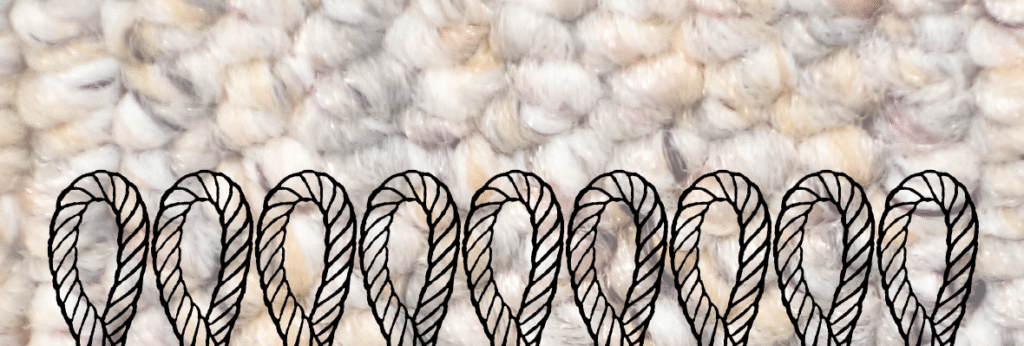
Loop carpets are exactly what the name sounds like. They are left as loops, they are not cut like cut stacks. They are made in many different weights and thicknesses and are typically made of nylon, wool, or olefin. The carpets are very durable and can withstand heavy traffic, which makes them an ideal choice for hallways and stairs.
Unfortunately, sharp objects and pet claws can catch and loosen the fibers. Although this has no effect on its lifespan, it can make a loop pile carpet look old-fashioned over time. The most popular types of loop carpets are sisal, which comes in a variety of beautiful patterns and textures, and Berber, the most popular type, known for its durability, splash resistance, and versatility.
Don’t forget to check out my previous post about cut pile carpet vs loop pile carpet differences.
How to Restore Carpet Pile
1) Ice Cubes and Hard Brushes
When you move the table, chair, or sofa, even the beautiful carpet will wear out after some time, as they will be leaving unsightly cracks in the carpet. These marks are easy to repair: start with a block of ice and let it melt naturally, or use a hairdryer to speed up the process, but make sure not to use a large fire, otherwise you risk damaging the carpet. Once the ice melts and the stain disappears completely.
2) Damp Cloth and Iron
To treat carpet hair that has been stepped on after years of use, try using a damp cloth and steam iron. Place it on the affected area of the carpet, and then use a hot iron to hold it on the fabric for a few seconds. This will cause the trampled fiber to rise again. There are several considerations for this technique, the most important of which is to never put the iron directly on the carpet.
Even if the contact lasts only a few seconds, it will leave burn marks. In addition, when applying various stains, be sure to keep the fabric moist. The combination of water and heat helps to straighten the pile.
3) Hair Dryer
You can also restore the carpet with a hairdryer. Take a spray bottle and fill it with water. Make sure the water is neither too cold nor too hot. Now wet the entire wrinkled carpet surface with water. After you spray the carpet completely with water, set the dryer at a higher position. Blow on the dry, flat, damp surface. Be sure to blow dry with a hairdryer until the water-saturated part is no longer wet or humid. When the carpet is dry, you touch it with your fingers and beat it to better match the rest of the mat.
4) Baking Soda and Vinegar
Similar to the methods listed above, using a homemade carpet cleaner with vinegar or baking soda can help freshen your carpet fibers and remove stains. Spread baking soda on the carpet, then use a stiff brush.
Baking soda can be used as a natural carpet cleaner to remove odors and kill bacteria. Rub it in multiple directions, soak the carpet with strong pressure, let the baking soda soak overnight, and then vacuum it out. Then mix equal amounts of vinegar and water in a spray bottle, and then apply a large amount to the affected area. Lift the pile with a brush and let it dry. The vinegar smell will disappear after a few hours, leaving a clean, fresh carpet.
Conclusion
Knowing different types of carpet piles will help you know which carpet is best for your needs. I hope you will now be able to tell the difference and make the best choice!