
No matter how tidy or organised you are, pests can still find a way to creep into your home. While there are some things you can do to prevent certain pests from invading your space, it is inevitable that at some point, a creepy crawler will find its way around it. All it takes is a door opened for a little too long or a traveler that latches onto your clothing. Perhaps one of the most invasive and territorial of these pests is bed bugs. Does Lysol kill bed bugs? Let’s find out below.

If you are unlucky enough to find yourself amid a bed bug infestation, you’ll want to take proactive measures as soon as possible. Most of us would initially panic and scramble to find the closest thing available to take care of the situation. One household product that many of us have in our possession is Lysol. This handy product is inexpensive and has a strong reputation for being able to kill viruses and bacteria. It would make sense to want to grab Lysol to clean away bed bugs in your home.
What Is Lysol and What Are Its Uses?
You probably already know that Lysol can be found in many homes throughout the world where it serves the dual goal of cleaning and disinfecting, but did you know why it was initially developed?
Reckitt Benckiser, the parent corporation, owns the home-cleaning brand, which is extensively distributed and utilized in the United States.
In 1899, Gustav Raupenstrauch developed the first antiseptic disinfectant known as Lysol to put a stop to the cholera pandemic that was sweeping across Germany.
The majority of Lysol’s products are only intended to be used on hard, nonporous surfaces. The manufacturer provides a selection of products, such as wipes, sprays, and multi-surface cleaners, among other things.
Additionally, the company produces hand soaps and hand sanitizers that eliminate 99.9 percent of the bacteria that is found on hands.
Various Lysol products each feature a unique combination of active chemicals. The following are some examples of active chemicals that can be found in Lysol products:
- ethanol/SD Alcohol
- hydrogen peroxide
- isopropyl alcohol
- o-Phenylphenol, 0.1%
- p-Chloro-o-benzyl phenyl, 5–6%
- potassium hydroxide, 3–4%
- Alkyl (C12-C18) dimethylbenzylammonium chloride, 0.08%
- Alkyl (50% C14, 40% C12, 10% C16) dimethylbenzyl ammonium saccharinate, 0.10%
- lactic acid
- Alkyl (C12-C16) dimethyl benzyl ammonium chloride, 0.02%
Can Lysol Kill Bed Bugs?
Lysol has been a trusted product in our homes for many years because it gets its job done. It kills germs, fungus, and bacteria at the point of contact, making our homes much safer and cleaner. Lysol comes in a variety of formulas that are safe to use on most surfaces, ensuring you don’t damage your belongings during the cleaning process. It isn’t marketed as a product that can help kill bugs or pests, but its chemical compound could be promising in this area.
As previously stated, all it takes is one bed bug to latch onto one of the belongings that you bring inside your home to start an infestation. Bed bugs are small insects, about the size of apple seeds, that enjoy cozy spaces that are easy to hide in. They have a penchant for blood, usually human or animal, and their bites can cause irritation, itching, and swelling. They tend to be most active at night, which is one of the many reasons they can be extremely difficult to deal with. Unfortunately, they can be difficult to detect due to their size and hiding abilities until they start becoming a nuisance. It’s important to note that, while bed bugs are quite annoying, they are not inherently harmful to your health.
Early Signs of Bed Bugs
One of the telltale signs of a bed bug infestation, of course, is signs of bites. You might notice small red spots on your body that are itchy. They don’t discriminate on where they bite, either. You may also notice very small red spots or streaks on your bedding, which would indicate bed bug waste. Bed bugs also leave a musty and/or sweet scent, which you might notice as your head hits the pillow. If any of these signs pop up, be sure to thoroughly inspect your bedding, furniture, and clothing.
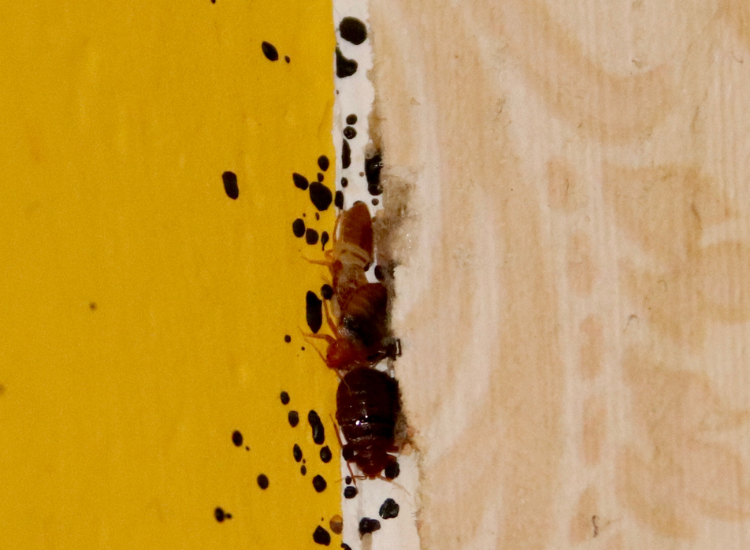
Bed bugs are not able to fly, but they can move quite quickly around your home. Because they are so tiny before they feed, they can fit into the smallest of cracks. Their eggs are also very small, so it can be hard to find those with the naked eye at first. Their favorite places to hide are beds, mattresses, and box springs because they have easy prey at night. If there are enough of them, they can move to other areas of the home, and even travel to neighboring homes or apartments. They can also live for a long time without feeding, making due in areas not commonly touched or laid on.
Lysol Kills Bed Bug Eggs Too!
Eliminating moving bed bugs does not put an end to the problem of having little creatures in your house. Luckily, eggs of bed bugs may also be destroyed by the chemicals included in Lysol. Bed bugs will deposit thousands of eggs in the locations where they live. If you observe the dead bugs within a week of treating your home with Lysol, you shouldn’t let yourself relax too much just yet. The elimination of bed bugs from your house will not be complete until additional steps are taken. You may stop bedbugs from breeding in your house by spraying the inside layers of your mattress cover and pillowcases thoroughly with Lysol. First, remove the bedbug mattress cover and pillowcases. Eggs are simple to destroy since they are unable to flee or conceal themselves. To get rid of their eggs completely, you just need to make sure that the whole area that may potentially house bed bug eggs is coated in Lysol liquid.
How to Use Lysol for Bed Bugs
Before even attempting to eradicate any bed bugs with Lysol or any other product, there are several other important steps to take to successfully get rid of bed bugs.
1. Declutter the Room
The first thing you’ll want to do is remove any clutter around the room to ensure the bugs cannot find any new hiding places. Next, you’ll want to take all of your bed linens and throw them into your washer in hot water; the high temperature will kill any bugs or eggs living in your bedding. You’ll also want to run these items through the dryer to expose them to even more heat, killing anything leftover from the washer. You may also want to do this with your clothing as well. You’ll then want to vacuum any small areas where bed bugs can hide. Once you’re done vacuuming, you’ll want to thoroughly clean your vacuum with rubbing alcohol and get rid of the bag to ensure nothing survives within the appliance.
2. Steam Cleaning
Next, you’ll want to steam clean your mattress and pillows with hot steam. Keep in mind that you need to steam all of the affected areas before using the Lysol spray. Since Lysol is only effective in killing bedbugs while it’s still wet on the surface, steaming helps it with moisture. If both of these treatments are carried out at the same time, there will be no bedbugs left to survive.
This is the point where you would want to use your Lysol, if that’s your weapon of choice, to douse any bugs you still see lurking. You want to use this in any small cracks or areas where bed bugs could have gone into to hide. If you do have to spray any bedding or furniture, you may want to rinse it or wash it afterward to remove any residue.
If you have any other items that can’t be placed in the washer, but could potentially be breeding grounds for bed bugs, you can throw them in the dryer, if safe to do so, for half an hour. The heat should help kill any bugs that may be hiding in these items, like shoes or plush toys.
3. Spray Lysol on the Bed Bugs
How exactly does Lysol kill bed bugs? Lysol contains many strong chemicals that are generally safe when used properly. These chemicals are toxic to bed bugs, so they can kill bed bugs upon contact. It can also kill the eggs, which is incredibly important. Just targeting the bugs alone will not take care of the problem. For Lysol to effectively kill bed bugs, the bed bugs have to be drowned in a high concentration of the product. Therefore, you would have to continuously spray the product directly on the bed bug and create a puddle so they cannot escape. This action would have to be swift, as bed bugs have a strong sense of smell and as soon as they notice the Lysol, they would quickly scurry away into hiding.
The benefit of using Lysol is that it’s a quick and inexpensive way to kill bed bugs on the spot. It’s a product most of us have on hand, so the need to hurriedly run to the store may not be an issue. It’s also not harmful to the touch, and won’t damage any surfaces it touches if you use the right formula. If you get Lysol on any linens or clothing, you can simply wash them in hot water to remove the chemicals. It’ll also kill any bacteria on your surfaces, which is just a bonus.
Remember about the Protection
While Lysol is technically effective in killing bed bugs on the spot, there are some downfalls to relying on it as a failsafe method to get rid of bed bugs. Because you’ll be using such a high concentration of Lysol at once, you run the risk of inhaling too much of it.
The chemicals within Lysol are quite harsh and aren’t something you want to inhale or ingest. It’s also not the most effective long-term treatment known for eradicating bed bugs. You would have to do this routine multiple times, and even then, they can still come back if any of them are still hidden or any eggs are still intact. It would be recommended that if you try this treatment at home, you try wearing a mask and gloves to avoid any health-related side effects. Open any windows if possible, and ensure pets are kept in a safe area far away from the spray.
Using Lysol in high doses to exterminate bed bugs is not only ineffective but also dangerous to your health. Inhaling or ingesting it can cause damage to your eyes, and it can even affect your nervous system according to the sort of alcohol that it contains. In high enough quantities, Lysol can be harmful to both children and animals, including pets. As a result of this, it is recommended that just a little amount of Lysol be used as a sanitizer while cleaning your house.
It’s important to exercise caution while using Lysol near open flames because the product is flammable. To keep yourself and your family safe, you should avoid using Lysol in any application that requires a high concentration.
Will All Types Of Lysol Work?
To reply to the question of whether or not Lysol can be effective in eradicating bed bugs, let’s discuss a little bit about the nature of bed bugs, hopefully, it will help you put things in perspective. Bed bugs are little, flat insects that feed on the blood of humans and other mammals. The first thing that you should be aware of concerning bed bugs is the fact that they do not only sit on the bed, couch, or other surfaces. considering bed bugs only need to eat once or twice a week on average, they may be hiding the rest of the time. In other words, they need only come to the surface once a week wherever they are living to feed on humans. They like to remain hidden most of the time. Is it true that Lysol can exterminate bed bugs? Definitely! The high ethanol concentration of Lysol, which kills bed bugs on contact, is the key to understanding this phenomenon.
Nevertheless, there are a few things to keep in mind before using this technique. The most important one is that you have to spray Lysol directly on the bed bugs to kill them. It will not be effective to spray the area in the hope that they may step into it eventually.
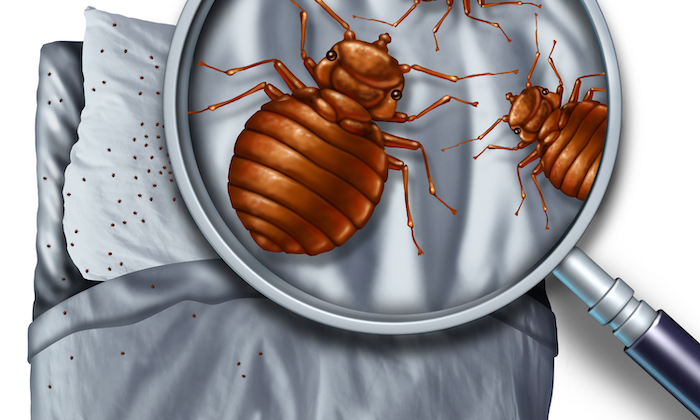
Bed bugs have an effective protective habitat built within their eggs, which is meant to allow the bed bug to survive until it emerges into the world as an adult. As a result, eggs have a natural defense mechanism that allows them to tolerate the effects of exposure to a variety of chemicals, including those included in Lysol.
Lysol may be found in a variety of forms, each of which is optimized for a certain job. However, there are a few noteworthy exceptions, and most will act approximately the same when it comes to eliminating bed bugs. Any spray of Lysol that does not include a high percentage of alcohol will not be useful against bed bugs. As was said before, Lysol typically has a composition of 79 percent ethanol, and this is the reason why it may be used to kill bed bugs once it is applied directly to them.
Unfortunately, several versions of Lysol that are meant for a variety of uses in addition to cleaning various surfaces do not contain the necessary amount of alcohol to do the task at hand. Before you try to exterminate bed bugs using Lysol, make sure you check the label to see what components it contains. In addition to this, check to see that the surface that the spray will be applied to will not be harmed by it. If you were going to spray a couch, for instance, you would want to be sure that the Lysol wouldn’t ruin the fabric or the upholstery.
Alternative Methods to Kill Bed Bugs
It can be so difficult to kill bed bugs because of the speed at which they can mate. It’s said that some bed bugs can lay up to 12 eggs a day. They enjoy living in warm and enclosed spaces, with plenty of places to hide until they can feed at night. Unfortunately, their favorite food is blood. They are smart, so even if you try the Lysol method, it’ll only really tackle the ones who are hit directly. The bugs will not be attracted to the scent of Lysol, meaning they won’t try to eat it, which is the most well-known way to successfully get rid of bed bugs.
There are household products on the market that are touted to effectively treat bed bugs. Some of these are harsh chemicals as well, while some other treatments, such as diatomaceous earth, are less harmful to people and pets. While these products come with detailed instructions for use, they might be intimidating to use if you have never treated pests before.
FAQs about Lysol
Which Is Better, Lysol or Clorox?
Because of its versatility, Lysol may be used to disinfect virtually any surface or object. Both of these disinfectants will be effective in eliminating germs. Bleach cannot be used on any kind of cloth or carpet unless you’re trying to bleach anything so that it becomes lighter. The most effective way to clean bathrooms as well as bleach white textiles or keep white garments white is to use Clorox. Whites may have stains removed using Clorox bleach. Clorox bleach is effective against mold spores and pathogens. If you are using Clorox bleach, however, you should protect your skin by wearing gloves and ensuring that the room in which you are using it has adequate ventilation. This is because Clorox bleach may be irritating to the skin.
The most effective cleaner for use in kitchens and other areas is Lysol.
Is It OK to Mix Lysol and Bleach?
Lysol and bleach are two things that you should not mix. If you have inadvertently combined Lysol and bleach, educate yourself on the dangers of doing so. It is not allowed to use the disinfectant Lysol with bleach for good reasons. The 2-benzyl-4-chlorophenol in the Lysol is oxidized when it comes into contact with the bleach, which results in the formation of a variety of irritating and poisonous chemicals.
It is comparable to the production of a considerable amount of toxic gas. Bleach and Lysol should under no circumstances be used together. If you have already done so, remove anything that has come into touch with the combination, let the room fully ventilate, and clean everything.
If you inhale this combination or come into touch with it, it can cause lots of symptoms to develop in your body. This can include nauseous feelings, eyesight problems, and a whole lot of other symptoms related to poisoning.
Conclusion
It’s a good thing that Lysol can kill bed bug eggs if they come into touch with the liquid or even the toxic vapors. If you think you have bed bugs in your house, you’ll need to inspect every crevice, from the edges of your bed to the gaps in your bed, to the pillowcases and the fissures in the wall, to your strewn-out garments. Spray Lysol generously on the eggs after you’ve discovered them. Eggs can’t flee or hide, thus this elimination will be considerably easier than eliminating adult bugs.
Ultimately, the best course of action to ensure the permanent removal of bed bugs from your home is to rely on professionals. While it is a timely and costly process, it’s worth it for peace of mind that the problem has been dealt with most effectively. While bed bugs can be an embarrassing problem to deal with, they are indiscriminate in terms of which homes they choose to dwell in. It’s important to check your body and clothing if in an area where bed bugs could be roaming, and to reach out for help at the first sign of a possible infestation.