
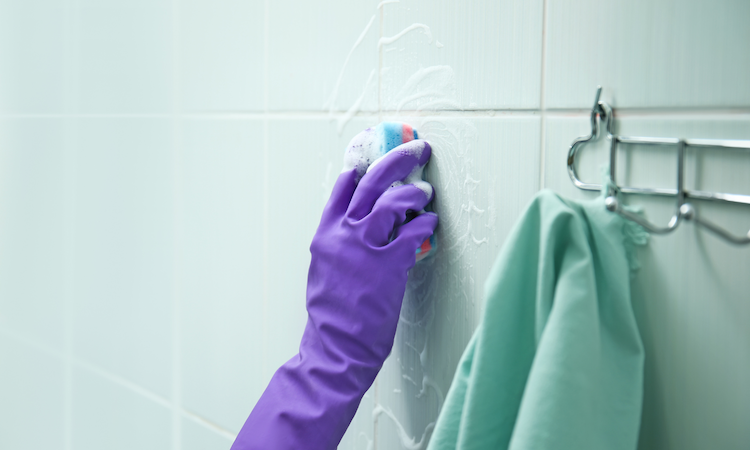
How are the tiles in your shower looking these days?
If you’re like most people, they’re probably looking kind of grubby.
While tiles give your bathroom a modern and clean look, they can certainly absorb plenty of grime and soap scum which leaves them less than pristine.
And the task of cleaning them can feel like too much of a chore. After all, who wants to spend hours scrubbing?
But if you’ve been putting off cleaning your shower tiles, your days of making excuses are over. There are a number of simple ways to clean your shower tiles until they shine as good as new, without scrubbing at all, using household substances easily available in your kitchen cupboard.
Here’s how.
How To Clean Shower Tiles Without Scrubbing – Recommended Methods
Recommended product: 12% Hydrogen Peroxide (on Amazon)
Hydrogen peroxide is a highly concentrated household substance often used as a bleach or an antiseptic. Because of its potency, it can be highly effective in cleaning stains and eliminating mold and mildew. It’s also very affordable, probably only costing about half as much as most traditional cleaning products. Simply mix one part hydrogen peroxide with two parts water in a spray bottle, spray it over your tiles, and let it sit for 30 minutes. Rinse it off afterward by running the shower while rubbing it with a sponge.
Hydrogen Peroxide and Baking Soda
Yet again, this is a method using ingredients that you probably already have on hand. It works especially well if you have stubborn stains in the grout of your shower tiles. Simply mix one part hydrogen peroxide with one part baking soda to make a heavy paste. Then apply it to the stains and let it sit for an hour before rinsing it off. This does more than just clean the stains; you’ll also be amazed at how shiny and sparkling clean your shower tiles look afterward.
Vinegar and Dishwashing Detergent
Vinegar is an acidic substance that is highly effective in eliminating dirt and odor. Put two cups of it in a spray bottle, add three tablespoonfuls of your favorite liquid dishwashing detergent, and shake it well. Then spray it generously over your bathroom tiles and let it sit for 20 minutes. Don’t forget about all the little crevices in between. Then, simply rinse it off and wipe it dry with a towel. To get even better results, try warming up the vinegar and dish detergent solution beforehand.
Vinegar and Baking Soda
Again, baking soda and vinegar are found in almost any home, and they are so easy to use as part of your cleaning routine. Mix them together to form a paste and then apply it to any stains on your shower tiles. Give it one last squirt of vinegar from a spray bottle, then leave it to sit for an hour, watching the paste start bubbling, a sign that it’s lifting the dirt. When this happens, go ahead and rinse it off with water.
Borax and Hydrogen Peroxide
This mixture will save the day when you want to get tough dirt and stains off your shower tiles and nothing else works. Both borax and hydrogen peroxide are powerful cleaners on their own; combining the two together is a surefire recipe for success. Start by pouring borax on the tiles and let it sit for at least five hours. This is the amount of time it takes to work, so don’t skip this step. After that, let it sit for another two hours after pouring hydrogen peroxide on the tiles. Then just rinse with warm water.
Baking Soda and Bleach
These two cleaners combined together to form a highly effective cleaning solution. Mix two parts baking soda with one part bleach to make a thick paste. It’s important to get the proportions exactly right because using too much bleach can ruin your tiles, especially if they’re porcelain.
Apply the prepared paste to your shower tiles and grout. Once the paste has dried, rinse it off with cold water. Wipe it down with a damp sponge afterward if any residue is left behind.
Clorox Bleach and Hot Water
Any kind of chlorine bleach is an excellent choice not just for cleaning your shower tiles, but also disinfecting them. It can damage fabric, so only use old clothes or rags that you can throw out afterward. And as a safety measure, ventilate the room by opening the windows and propping the door open, as the strong smell can be dangerous. Also, do not ever use bleach along with vinegar or ammonia. Just mix ¾ cup of bleach with a gallon of warm water, apply it to the tiles, let it sit for fifteen minutes, and rinse it off.
Recommended product: Alkaline Cleaners (on Amazon)
Alkaline-based cleaners are mild when used on bathroom tiles, and they’re easy and affordable to find in any local store. Carefully follow the directions on the label when you use them because these cleaners can be harsh if used incorrectly. They are great for eliminating dirt and stains in the tile grout. Wear gloves and a mask when using any alkaline cleaner.
Oxygen Bleach
This bleach comes in a powdered form and can be found at most large retail home improvement stores, like Lowe’s or Home Depot. Mix three tablespoons into a gallon of warm water for about 30 seconds. Then soak a cleaning cloth with the mixture, and wipe the tiles and grout with it. Rinse it thoroughly after letting it sit for about fifteen minutes.
If you’re dealing with a really stubborn stain, you can take this cleaning process up a notch by mixing the oxygen bleach with water to form a sticky paste. Apply it to the stain with an old toothbrush, let it sit for ten minutes, remove it with a cloth, and rinse thoroughly.
Frequently Asked Questions about How to Clean Shower Tiles
How Do I Remove Old Stains From Wall And Floor Shower Tiles
Soap scum, mildew, and hard water stains can all lead to a grime build-up on your tiles, especially if you have delicate floors like pebbles. While regular cleaning can help to reduce the amount of dirt and grime, sometimes stubborn stains just won’t budge.
If you’re dealing with tough stains on your shower tiles, there are a few things you can try. First, mix some baking soda and water and apply this paste to the stain. Let it sit for 15-20 minutes before scrubbing with a soft brush. You can also try using distilled white vinegar or hydrogen peroxide. Simply apply either of these directly to the stain and let it sit for a few minutes before wiping away.
For particularly stubborn stains, you may need to repeat this process several times.
How To Clean Stubborn Grout Mold
There’s nothing worse than coming into your shower and seeing mold growing on the grout. Not only is it unsightly, but it can also be dangerous to your health if left untreated. So, how do you get rid of stubborn grout mold?
- First of all, mix together equal parts water and white vinegar in a spray bottle.
- After that, generously spray the affected area and let it sit for 10-15 minutes. Next, using a toothbrush or other stiff brush, scrub the moldy grout vigorously until all the mold has been removed.
- Rinse the area with clean water and dry it off with a towel.
Can I Use Steam Cleaner For Shower Tiles?
Yes! Most people think that they can only use steam cleaners for their floors and carpets. However, steam cleaners can also be used to clean other areas of your home, including your shower tiles.
The high temperature of the steam will kill any mold or mildew that may be growing on your tiles, and it will also help to loosen any stubborn dirt or grime. In addition, the steam will help to sanitize your tiles, leaving them looking and feeling fresh and clean.
When using a steam cleaner on shower tiles, be sure to start with clean, dry surfaces. You’ll also want to use a low setting and hold the steamer about six inches away from the surface to avoid damaging the tile. Work in small sections and pay special attention to areas that tend to collect soap scum or grout.
The Takeaway
It’s easy to overlook your shower tiles in your regular cleaning routine. Over time, they can start to look stained and grubby, detracting from the appearance of your bathroom. But there’s no need to spend hours scrubbing them. Any of the methods here are certain to work beautifully on cleaning your shower with materials that are convenient and easy to find around the house, without any scrubbing at all.