
Removing dark stains from hardwood floors can be a daunting task. If you are not sure how to go about it, you can easily damage your flooring in the process. In this step-by-step guide, we will walk you through the process of how to remove dark stains from hardwood floors. So grab your supplies and let’s get started!
What Causes Black Stains on Hardwood Floors?
There are a few different things that can cause black stains on hardwood floors. The most common culprit is pet urine. If you have pets, it’s important to clean up any accidents right away. Other causes of black stains on hardwood floors include:
– Spilled dark liquids such as coffee or soda
– Mud or dirt tracked in from outside
– Sharp objects dug into the flooring
– Burning cigarettes or cigars
So, how do you remove dark stains from hardwood floors? Here is a step-by-step guide.
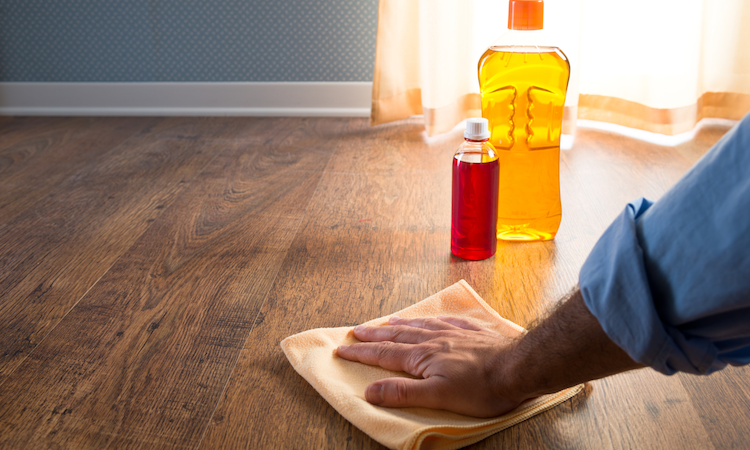
First, you need to identify the type of stain. There are four main types of stains that can cause dark spots on hardwood floors: sap stains, chemical stains, iron stains, sticker stains, water and moisture stains, blotchy finish, and tannic acid discoloration.
- Sap stains. Sap stains are caused by tree sap that has seeped into the wood.
- Chemical stains. They are usually caused by cleaning products or other chemicals that have been spilled on the floor.
- Iron stains. They are created when iron rusts and leaves a dark mark on the wood.
- Sticker stains. When the wood planks are piled during the seasoning, these planks are separated from one another using thin strips to ensure that adequate air circulation is maintained. Hardwood floors may be discolored a dull blue or brown by the adhesive residue left behind by these tiny strips. Sticker stains are acceptable in hardwood flooring because they cannot be erased by the sanding process.
- Chemical stains. Chemical stains are characterised by their asymmetrical shapes and varying shades of discoloration over the surface of the hardwood. If chemicals are accidentally poured on the substance and interact with the wood, this might cause them to emerge. To name just a few examples, oil, acetone, chlorine, milk, and acetic acid are some of the most frequent types of household products that can leave chemical stains on hardwood floors.
- Water-caused stains. Preventing water damage is the number one priority when caring for hardwood flooring. Black mold might appear on the hardwood flooring if the humidity levels were too high. If the messes left behind by pets, such as vomit, excrement, and urine, are not cleaned up as soon as they are made, they might lead to the creation of black stains on the floor.
- Blotchy stains. The uneven tone of the completed hardwood floors that might be found in different sections is known as blotchy stains. They occur when the wood doesn’t take in the stain uniformly. The flooring contractor may also cause blotchy stains if the materials they use are incompatible with one another, if they do a bad job sanding the floor, or if they fail to follow the coating standards required by the manufacturer.
- Tannic acid discoloration stains. These stains happen when there is a reaction between tannins in the wood and oxygen in the air, which creates a dark stain.
Once you have identified the type of stain, you can begin to remove it. For sap stains, you will need to use a putty knife or other sharp object to scrape away the sap. For chemical stains, you will need to use a cleaning product that is designed for removing chemicals. For iron stains, you will need to use a rust remover. And for tannic acid discoloration, you will need to use an oxalic acid cleaner. If the stain is still visible after taking these steps, then you may need to sand down the area and refinish it. This is usually only necessary for severe stains.
Read on to discover the universal procedure that will help to remove dark stains from the hardwood floors.
How to Remove Dark Stains from Hardwood Floors?
There are a few different methods you can use to remove dark stains from your hardwood floors. We will go over some of the most popular methods below.
Sanding and Refinishing the Hardwood
If the dark stains on your hardwood floors are superficial, you may be able to remove them by sanding and refinishing the floor. This process will remove the top layer of stain, as well as any scratches or gouges in the floor. Keep in mind that this is a time-consuming process and should only be attempted if you are confident in your DIY skills.
Bleach the Black Stains on Hardwood Floor
If sanding and refinishing is not an option, you can try bleaching the black stains on your hardwood floors. You will need to use a strong bleach solution for this method, so be sure to follow the instructions carefully. Once the stains have been bleached, you will need to sand and refinish the floors to restore their original beauty.
Assuming you have already vacuumed and swept the floor, you will need to gather your materials. For this project you will need chlorine, white vinegar, hydrogen peroxide, baking soda, and oxalic acid. You may already have some of these items in your home which is great! If not, they are all easily accessible at a local grocery or hardware store.
Once you have gathered your supplies, it is time to start bleaching those dark spots! Begin by mixing together 1 part of chlorine with 4 parts of water in a bowl. Carefully apply the mixture to the affected areas and allow it to sit for about 15 minutes. After 15 minutes have passed, use a clean mop or cloth to remove the solution. You should immediately see a difference in the appearance of the stain!
If the chlorine does not seem to be doing the trick, you can try white vinegar. Simply mix together equal parts vinegar and water and follow the same steps as above. Be sure to let the solution sit for at least 30 minutes before removing to ensure that it has had time to work.
For tougher stains, you may need to resort to hydrogen peroxide. Begin by mixing one part hydrogen peroxide with four parts water. Once again, carefully pour the mixture over the affected areas and allow it to sit for 15 minutes. After 15 minutes have passed, use a clean mop or cloth to remove the solution. If necessary, repeat this process until the stain is removed.
If you are still having trouble removing the stain, you can try using baking soda. Begin by mixing together equal parts baking soda and white vinegar to form a paste. Rub the paste into the affected areas and allow it to sit for 15 minutes. After 15 minutes have passed, use a clean mop or cloth to remove the paste. If necessary, repeat this process until the stain is removed.

As a last resort, you can try oxalic acid. This should only be used if nothing else seems to be working as it is quite harsh. Begin by mixing together 1 part of oxalic acid and 4 parts of water in a bucket. Carefully pour the mixture over the affected areas and allow it to sit for 15 minutes. After 15 minutes have passed, use a clean mop or cloth to remove the solution. If necessary, repeat this process.
With any luck, one of these methods will work to remove those pesky dark stains from your hardwood floors! Be sure to exercise caution when using harsh chemicals like chlorine and oxalic acid and always follow the manufacturer’s instructions. With a little elbow grease, you should have your floors looking good as new in no time!
FAQs on How to Save the Black Stained Hardwood Floors
How to Remove Black Urine Stains from Hardwood Floors
The best way to remove dark stains from hardwood floors is to sand and refinish the floor. This will remove the top layer of stain, as well as any scratches or gouges in the floor. Keep in mind that this is a time-consuming process and should only be attempted if you are confident in your DIY skills.
The task is not going to be an easy one if your hardwood floors have dark pee stains on them. The cause of black stains is typically because the stain has penetrated deeply into the floor finish, making it difficult to remove. You should try the procedures described above, however, not every procedure is going to be successful on every stain. From our experience, vinegar and baking soda are the most effective for removal of the pee stains.
How to Prevent Black Stains on Hardwood Floor
There are a few things you can do to prevent your hardwood floors from getting stained. First, always clean up any spills right away. Second, place mats at all entrances to your home to help keep mud and dirt out. Plus, it will help to prevent gaps from forming between the boards. Finally, avoid smoking cigarettes or cigars inside as the ashes can stain the floor.
Sealing your hardwood floors using materials designed specifically for use on indoor wood will help to protect them. Use a Fabuloso floor cleaner and a moist mop on the floor a few times per year. Maintaining your floors on a routine basis is the most effective approach to spot even the smallest stains before they have a chance to get completely dark.
Conclusion
Removing dark stains from hardwood floors can be a daunting task. However, with the right supplies and a little elbow grease, you can get your floors looking like new again! We hope this step-by-step guide was helpful in walking you through the process. Now that you know how to remove dark stains from hardwood floors, you can keep your floors looking like new. Be sure to follow these steps whenever you notice a dark stain so that you can get rid of it quickly and easily.