

What is Polypropylene?
This synthetic material was first discovered in the early 1950s. Because of its unique characteristics and chemical makeup, this material is used in many products, from plastic containers to rugs. As with any other material, it has many pros and cons. Polypropylene fibers are created to look similar to sisal, acrylic, and other commonly known materials.
Polypropylene plastic is a non-polar, partly crystalline material that belongs to the polyolefin family. Right behind polyethylene in terms of volume of production, polypropylene ranks second in terms of volume of production worldwide, and it is more widely utilized in industrial and consumer items like rugs, packaging, straws, and other products.
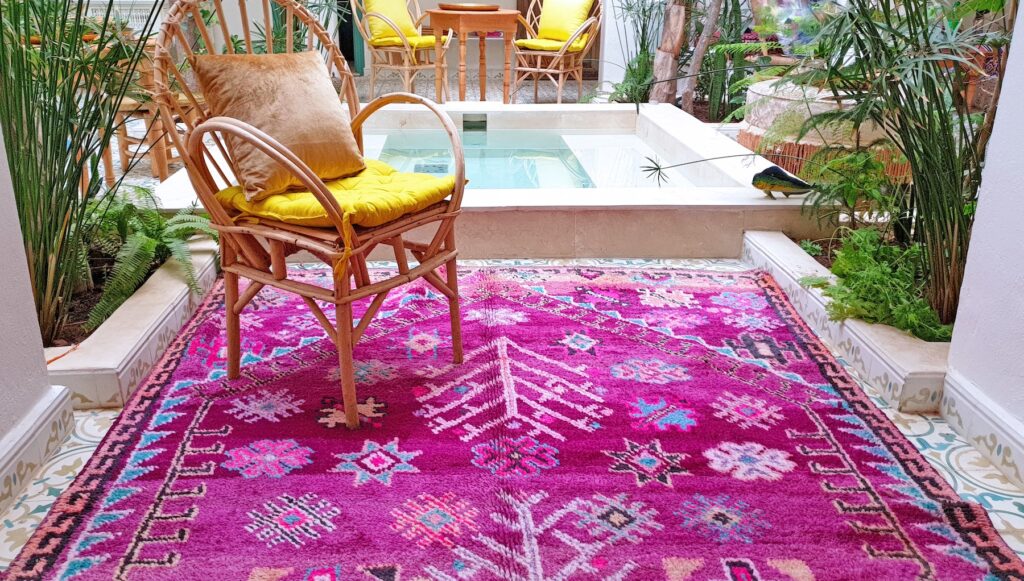
Fact: polypropylene rugs are so widely used, that they make about 80 percent of the total synthetic rug sales. Read on to discover what makes polypropylene so popular.
How Is Polypropylene Made?
If you’re interested in a bit of theory, this is what you should know about the production of polypropylene. Like the vast majority of polymers, polypropylene is manufactured from compounds obtained from hydrocarbon fuels such as petroleum oil. It all starts with the extraction of propylene as a monomer from oil products in gaseous form, and afterward, the monomer is exposed to a process known as chain-growth polymerization, which results in the formation of the polymer polypropylene.
The process continues until a large percentage of propylene monomers have been linked around each other, and a strong plastic substance is created as a result of the reaction. Polypropylene substance must then be combined with a large variety of fillers, stabilizers, and plasticizers in order to produce a useful textile product. After the necessary material has been obtained, the plastic will be left to cool and solidify into pellets or bricks.
Such pellets will then be used for remelting and production of the rug fibers.
Polypropylene Advantages
- Low pricing. It doesn’t cost much to manufacture such rugs. That’s why they are inexpensive and budget-friendly. When you consider buying a rug, the cost is a significant factor in the decision. A good quality rug is necessary, but preserving money is also important. Polypropylene is an excellent choice since you buy a high-quality rug that will serve a long time while also getting a less costly fabric.
- Water-resistant. One of the main pros of polypropylene rugs is that they don’t absorb moisture and allow water to pass through the fabric completely.
- Great color. These rugs are more visually pleasing than nylon-based rugs. Since they are colorfast and solution-dyed, these rugs do not bleach over time.
- Stain-resistant. It’s a perfect choice for families with pets and kids, where spills happen often. Also, they are very easy to clean.
- Suitable for outdoor use. These rugs are equally good as washable outdoor rugs, especially in the swimming area, because they are waterproof and moisture-resistant. Unlike natural fiber rugs, they can resist water damage.
- Low static electricity characteristics. Since this material doesn’t cause static electricity problems, it’s suitable for use in offices, carpets, and auto interiors.
- Lightweight. Polypropylene is one of the few fibers that float on water, the weight of the rug is very low, making it easy to manage.
- Polypropylene is recyclable. It has the number “5” as a resin classification code.
Polypropylene Disadvantages
- It can be a toxic hazard when placed in non-ventilated rooms. These rugs contain chemical byproducts, which, when kept in an unventilated area can cause headaches and nausea.
- Sensitive to friction and heat. If you place furniture on top and drag it on the carpet, there may be permanent marks left. This happens because the melting temperature of polypropylene is very low, around 300 °F.
- Easy to crush. If you fold or crush this rug, it won’t get back to its initial shape easily. That’s why it’s recommended to place polypropylene mats in areas with low traffic.
- Oli stains are hard to remove. Despite it being stain-resistant, oil-based spills soak in it and are hard to remove, even with shampooing.
- It doesn’t like direct sunlight. If you place the rug in heavy sunlight, its quality deteriorates over time.
Are Polypropylene Rugs Toxic?
When choosing a rug for your home, no wonder you ask yourself a question: how safe is this material? There has been a popular belief that polypropylene rugs are toxic to our health. Let’s see where that comes from.
You may have noticed – when you open a new synthetic rug, it has a distinct smell. This “odor” can trigger health problems such as allergies or asthma. Since polypropylene is a synthetic material, it has been treated with stain protectors, fire retardants, and insecticides.
- So Are Polypropylene Rugs Safe?
As mentioned above, polypropylene is a synthetic material, and it is safe. Let’s see what the dangers are behind polypropylene rugs.
Polypropylene rugs include the following substances:
- Adhesives. Polypropylene rugs may be made with various adhesives, all of which are toxic. As they age, the glue may begin to break down, releasing potentially dangerous compounds into the environment (for example, formaldehyde).
- Phthalates. Phthalates are present in synthetic rubber, and they can influence endocrine function. Furthermore, there was research that said they had caused both male and female reproductive disorders.
- Flame retardants. Flame retardants are among the most ubiquitous and potentially dangerous substances in polypropylene rugs. They are typically produced from brominated chemicals and are frequently found in fabrics to help prevent fires from spreading. On the other hand, these compounds are hazardous to human health and the environment.
- Dyes. Toxic dyes are used in the dyeing procedure, which can be dangerous for your health. This is because they have been shown to cause inflammation and allergy reactions in certain people, particularly those with delicate skin. According to recent research, AZO dyes, which are commonly present in orange-colored pigments, have been related to cancer in laboratory rats.
- Fungicides and pesticides. Fungicides and pesticides effectively kill hazardous pests, but they may also be poisonous to people. Fact: many of them can cause cancer and can cause significant conditions such as asthma, migraines, and stomach pain in sensitive people.
- Styrene. Styrene, a possible cancer-causing chemical, is found in all synthetic latex products. As a result, it’s critical to let new polypropylene fibers air out for at least two days before putting them in place to allow the off-gassing process to complete.
- PFC’s. Perfluorinated compounds or PFCs, present in most stain-resistant rugs, can affect the endocrine function and weaken your defense against infections like influenza and pneumonia.
Are The Polypropylene Rugs Soft?
Absolutely! As we have mentioned before, these rugs, like all others, are created to add functionality and comfort to the interior. They are soft and pleasant to touch, have a very similar feel and look to the natural fabrics and are very functional.

Deciding which type of rug to choose is not an easy job and involves considering many pros and cons. When it comes to your house, you need to decide on the feel, look, and function of the polypropylene rug before making the right choice.
Polypropylene Rugs vs. Wool
Polypropylene and wool are two very common rug materials, which both have lots of advantages and disadvantages. With good production technology, both natural and synthetic rugs may look and feel equally lovely. Let’s jump right in and see what makes them similar and different.
Polypropylene Rugs Cleaning
Polypropylene rugs are easy to clean due to their synthetic components. Spots that are water-based can be removed using a moist cloth. Like stains, dirt accumulates on top of the fibers. Polypropylene rugs need regular vacuuming to prevent a dusty and dirty-looking room, unlike wool rugs, which have microscopic pockets. Oil-based stains are a problem for synthetic rugs. Oils push into the rug, so you’ll have to clean them professionally at least once a year. Synthetic rug fibers have several advantages, including the fact that they are waterproof and do not retain odors.
Spot Cleaning of Polypropylene Rugs
Chemically made, polypropylene rugs go through a special treatment, so the fibers are naturally stain-resistant, with the exception of oil-based stains, which are not easily removed. Stains on such types of rugs should be handled as quickly as possible, just like they should on any rug. The longer a stain is allowed to stay on any rug surface, the more difficult it will be to remove it from the surface. Always remember to check the label for cleaning instructions before attempting to spot-clean a polypropylene rug.
If there is a wet stain on the polypropylene rug, blot it with a clean microfiber or a paper towel dampened with water. This is a simple and the most effective method of removal. Always start blotting from the center of the stain and move inwards, to prevent rubbing the stain. If you rub, the stain can become more entrenched. You can also try this: add a few drops of mild dish soap to the water.
If you have an oil-based stain, you may need the use of a dry cleaning solution. Using the solution, gently blot the stain until it disappears, and then vacuum the rug. When dealing with solid stains, first of all, remove as much dirt as you can with a knife, and then blot it with water to remove the excess dirt. After that, vacuum the affected area.
If you have very tough and resistant stains, use a stronger enzymatic pet stain remover. Apply the product on the stain using a cloth, blot, and remove any remaining moisture from the area using paper towels. After that, use your steam cleaner to finish the job.
Regular Cleaning
Polypropylene rugs are very easy to maintain. It’s best to clean a polypropylene rug outdoors in the sunshine on a hot summer day. Afterward, using a scrub brush, apply a solution (a few drops of mild dish soap mixed with water) and scrub the area rug. Then, use a garden hose to thoroughly rinse the rug.
Rugs of all kinds may benefit from a regular cleaning regimen. Just like all the other area rugs, polypropylene area rugs benefit from vacuuming to extend their lifespan. Regular maintenance keeps dust, dirt, and debris from embedding in the rug’s fibers. To keep a polypropylene rug clean, vacuum it once a week. If you wish to keep your polypropylene rug looking its best, you should deep wash it every year.
How to Get Creases Out of a Polypropylene Rug
When you first unfold your freshly ordered rug, you may see some wrinkles. This is normal. Unfortunately, the unexpected wrinkles on your area rug are more than enough to detract from its otherwise flawless appearance. Moreover, if the rug is made of polypropylene, you may have difficulty removing the crease.
Don’t worry though – there are a few methods to get creases out of a polypropylene rug.
Apply Moisture
Some creases may be removed using water alone. Using a spray bottle, mist the area rather than heavily saturate it. To restore your rug more effectively while also preventing color fading, follow these steps. Use a comb or your fingers to gently fluff up the fibers once they’ve been dampened. Even if your rug isn’t resting flat, using steam and water should help it do so.
Allow the Rug to Lay and Breathe
Allowing the rug to relax is the first step in fixing your problem. After some time, after being placed on the floor, the rug will return to its original shape. If the wrinkle is not deep, this approach will almost certainly be effective. Otherwise, it is advised that you try the following methods.
Place Heavy Objects on the Rug
If you have any heavy furniture in your living room, put it on top of the wrinkled areas of the rug. For this, you can use books (a lot of them!) or even workout weights. This will help you to crush the creased fibers, making it easier to restore the rug to its original state. For best results, you’ll have to keep the spot weighted for three to four days. After that, carefully lift the heavy objects out of the creases.
Try Reverse Rolling
The reverse rolling approach is less complicated and time-consuming than the one above. All you have to do is roll the polypropylene rug in the opposite direction of its intended use and leave it like that for a few days. If there are significant wrinkles, you can roll the rug in the other direction. You should do this in conjunction with tying the rug up with a loose rope and leaving it like that for a few days.
Your polypropylene rug may potentially have buckled as a result of the washing process. Often, this is because the rug is still damp, and the wrinkles will vanish as it dries. Avoid using heaters or dryers to dry your rug; instead, put it flat on a dry, firm surface. A minimum of 24 hours will be required to complete this procedure.
Are Polypropylene Rugs Flammable?
The subject of whether polypropylene rugs are safe to use at home is very controversial. Petroleum is a component of many synthetic rugs, so they are prone to burning and melting.
A synthetic rug should not be used in conjunction with any fixtures or equipment that are susceptible to overheating (such as candles, scented wax burners, lamps, and so on), smoking cigarettes, or other potential fire dangers. The heat and melting of the rug might cause harm to the hardwood or the floor underneath it.
This is particularly true if the carpet underneath a polypropylene rug is also made of polypropylene, which is the most prevalent fabric for wall-to-wall carpeting in homes.
Above 212 Fahrenheit (100 ° C), polypropylene melts in hydrocarbons, like benzene and toluene, which get released into the air. That’s why a heated or burning polypropylene rug is a serious health hazard.
When a fire breaks out in a synthetic rug, the only method to put it out is with a household fire extinguisher or by calling the fire department.
Polypropylene has a lower ignition point than other rug materials, which means it can start a fire at a temperature lower than other types of carpets. This should not be an issue, as long as you keep candles and matches away from the rug. Do not use polypropylene rugs in a room where there is a fireplace with an open fire.
What Is a Heat Set Polypropylene Rug?
To understand what is heat-set polypropylene, let’s see what are all the types of this material.
Types of Polypropylene
Bulk Continuous Fiber
Rugs made with “Bulk Continuous Fiber” (BCF) Polypropylene, or “cheap polypropylene,” are of poorer quality and are sold at low prices. BCF Polypropylene rugs are weak, tough to vacuum, and sticky. There are some flat-weave polypropylene rugs (which do not have a pile) that are quite easy to maintain. The majority of the popular manufacturers do not use this type of polypropylene because it is of low quality and does not reach modern standards.
Heat-Set Polypropylene
“Heat-set polypropylene” (HSPP), which should not be confused with the inferior quality Polypropylene mentioned above (also known as BCF), is a smooth, wear-resistant, colorfast, non-shedding, soft, and low-maintenance material that is particularly well suited for the production of machine-made rugs due to its soft texture, durability, and stain resistance.
Frese
Frese is a variety of Heat-set Polypropylene that was processed to give it a greater twist and a more lustrous appearance while still retaining all of the characteristics of HSPP.
To make heat-set polypropylene rugs, yarn for the fibers is treated to remove the oils and then has a color or pattern printed on them. Similar to any other rug type, you can verify the quality of heat-set rug fibers by checking the density of the fiber used. If you look closely at some rug piles, you’ll see that they have twisted fibers.
It’s done on purpose – they are twisted to act as a shock absorber, so this structure will prevent them from flattening. In addition to having anti-static qualities, heat-set polypropylene rug fibers are also extremely simple to vacuum since they do not stick to dust as easily as BCF polypropylene. It is exceptionally convenient if you have pets at home and animal fur gets trapped on the rugs.
Heat-set polypropylene is the most common rug material used in modern rugs. Such rugs have the highest quality and a lengthy lifespan.
One of the most appealing characteristics of rugs made of heat-set polypropylene is their ability to retain their color over time. They look nice and feel soft, making them very attractive in terms of aesthetics. If you vacuum your polypropylene rug regularly, it will retain its appearance for many years to come.
Another fact: heat-set polypropylene rugs have water-resistant qualities. That’s another great advantage. They are very simple to wipe and clean from any liquid spills. It makes heat-set polypropylene rugs a fantastic option for homes with children or pets.
This characteristic also makes them an excellent choice for use as outdoor rugs. On top of that, heat-set polypropylene is resistant to mold development.
Do Polypropylene Rugs Look Cheap?
A cheap-looking rug is the last thing you’d like to see in your living room. Created for decor, rugs are useless if they can make the interior look cheap. As you know by now, polypropylene is a trendy rug choice, so how can the cheap-looking rug be so popular? More on that below.
Rugs made of polypropylene are very cost-effective since they are generally mass-produced in factories. Polypropylene rugs offer your house a rich feel at a fraction of the cost with their eye-catching patterns.
Premium polypropylene rugs look similar to wool and are created with Berber-style loops in glossy or matte finishes.
A polypropylene rug may last three to five years, which is longer than most synthetic rugs. They will look great in the low-traffic locations. Premium polypropylene rugs can endure moderate traffic and have a velvety and soft feel. They are also more durable.
Are Polypropylene Rugs Safe for Hardwood Floors?
Briefly speaking – yes!
It’s not the rug material that can be dangerous for the floor finish, but the rug backing. Not all polypropylene rugs are created equal. However, most manufacturers create backing that’s safe to use on all floor types.
Nevertheless – there is always something you can do to make your floors last longer. A good rug pad will protect the hardwood floors.
Over time, dirt particles wear away at the fabric of a rug. As a result of the pressure created by footsteps on a rug’s materials, debris trapped between the rug and the hardwood floor may rip through the materials, creating traffic lanes and shortening the rug’s life span.
In addition to providing protection against this damage, the padding underneath a rug may help you retain the value of the floors.
A rug pad creates a barrier between a rug and the hardwood floor surface, allowing a wood floor to retain its natural color for a more extended period of time. Rug pads will also guard against spillage if you choose a solid pad to guard against them.
Final Words
Polypropylene is a common and popular rug material that has a wool-like appearance. These rugs are cheap to manufacture. Unfortunately, they won’t last as long as other rug types. Polypropylene rugs are hydrophobic and work best in wet areas and outdoors.
Polypropylene is a popular choice for damp basements due to its quick-drying and mold-resistance characteristics, which have been discussed above. Using an outdoor rug made of polypropylene in rooms where the risk of mold growth is severe is the most effective solution.