

Rug Beating – Is It Good or Bad?
Rug beating is an old tradition of taking the rugs outside or to a designated area in the house and beating them with a rug whip. In the era of vacuum cleaners, does it still pay off beating the rugs, instead of cleaning them with the modern methods? In this post, we will answer these questions, and share tips on how the process works.
Before vacuum cleaning was invented, rug beating was the only possible way to remove dirt from the flooring. Women would usually hang the rugs in the backyard, on a close line, and beat it till the dirt flies away. In winter, fresh snow was used to help in the process. If you beat the rug on a nice windy day, it will allow the dust to fall to the ground and the dirt will blow away.
To answer the question if rug beating still makes sense, you should consider what type of vacuum cleaner you have. If it’s not strong enough, and if you have high-pile carpets, vacuuming the rug may not the enough to remove the dust from the fibers. Rug beating will not damage the rug, even the hand-knotted rugs, but will only make sense if your vacuum is not sufficient enough and you have an outdoor area where cleaning can be done.
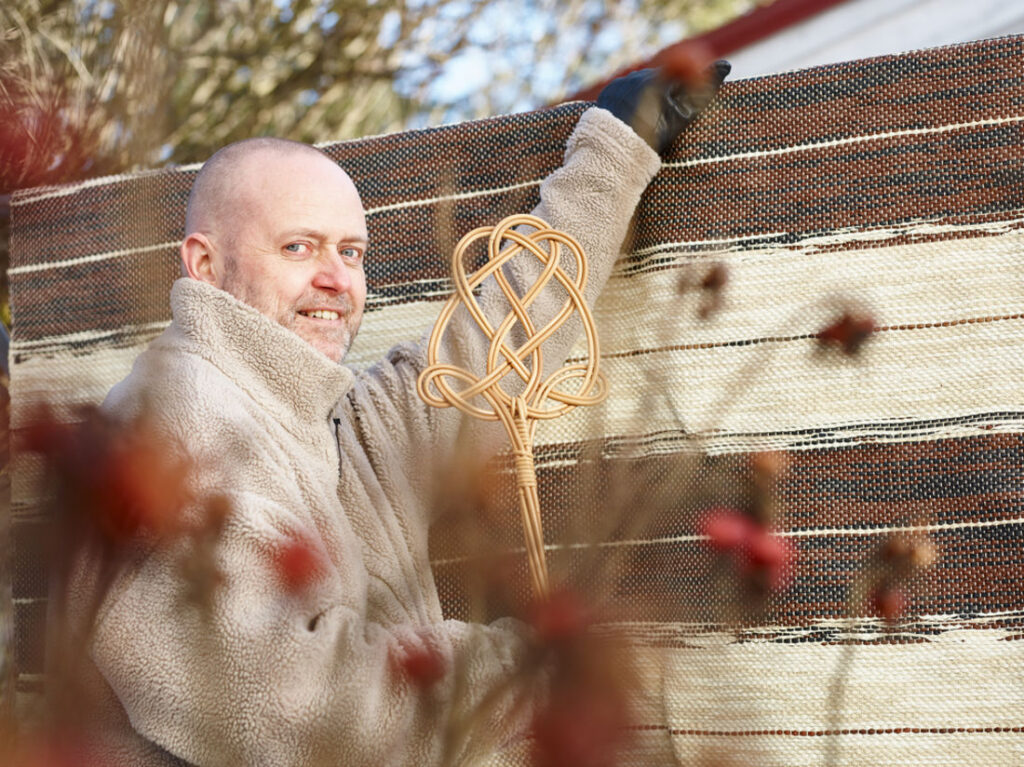
How to Beat Out an Area Rug
If you choose to beat the rugs to clean them, it’s important to follow some basic steps to dislodge the most dirt without destroying the fibers or textiles.
Step 1
Hang a clothesline that will serve as a rug-hanger.
Step 2
Take your area rug to the outdoor area. It should be a well-ventilated space because the flying dust will sit on either the floor or the furniture. Shake your rug with 2 hands, to remove the largest dirt.
Step 3
Fold your rug in half tenderly over the clothesline (that you already have prepared).
Step 4
Beat the rug, start going from the bottom with light but rapid strokes, going tenderly over the back cover of the rug. Proceed to beat in the same way until you beat the whole rug and remove all of the dust.
Step 5
Once you’ve done with the beating, bring your rug back inside, and vacuum clean the surface to remove the dirt residue. It will capture the dust that still remains on the fibers.