
A carpet moth is the last thing you want to see living in your favorite carpets. If not taken care of, they will infest and destroy the flooring beyond repair. In today’s post, I’ll describe what causes carpet moths, how to identify and get rid of them for good.
How Do Carpet Moths Look Like?
Carpet moths are able to lay even 300 eggs at once and are so tiny that you will hardly see them. Although the crawling larvae are a bit more obvious, they are small larvae wrapped in silk and crawl their way down your carpet when they bite. And remember that the heavily stained carpet fabric won’t put you off. In fact, they mask and usually have a dusty color that’s hard to notice.
They can live as long as 2 years, and eat a lot of carpet in the meanwhile! Once they have eaten enough keratine, moths close their box and create a cocoon that reminds rice grain, puffs up, and turns into adult moths that are just 5 mm long. They are usually gray, or beige, with wings of up to 15 mm, although they don’t usually fly, they mostly jump. So how can you tell if the moth hovering in it is a carpet moth? The moth is beige or brown in color and has a small wingspan of 14-18 mm. It is advisable to get rid of any moths that are inside, or at least catch them and let them out if you wish. At the very least, they don’t lay eggs that turn into tiny worms that can ruin your carpet.
The adult carpet moth has a very distinctive appearance with a dark gray-brown stripe on the upper body that extends to the middle of the forewings. The rest of the body and the hind wings are very light gray-beige. The larvae are more difficult to spot because they can change color depending on what they eat. By absorbing the dye, they will often be the same color as your carpet. It is the larvae that eat the carpets, not the adult moths.
Here are some obvious signs of a carpet moth infestation:
- Carpet fibers that have come loose for no apparent reason. This happens because the larvae have eaten the nodes.
- You may see tiny caterpillars crawling under the carpet.
- You may notice tiny cocoons that blend into the wool of your rug. They are often flat, oval in shape with pointed ends.
- Moths fly across space.
- The real flying adults. If you have many flying adults, the infestation can be significant. Loose fibers from the carpet lie on the pile. This is because the larvae eat the knots on the underside of the carpet. Cocoons – 1/8 inch in diameter x ½ inch long. The cocoons are usually of the same color as the pile on the carpet.
- The larvae hide their cocoons to match the color of the wool around them. The actual larvae wind along the surface of the hair and below it. the carpet.
An adult carpet moth is about 5 mm long, with yellowish-brown forewings and three darker spots on each wing. The hind wings are light gray and lined. The case-bearing carpet moth has a white color. They are more distinctive because they are dull white with brown heads. However, as the larva grows, it will weave a cocoon around itself, and when the cocoon becomes large enough to make the larva suppurate, the cocoon will be sealed.
Even if you do not see any of these signs, a carpet moth infection may occur. Dark, their larvae are small and hidden on the carpet, so they may not even be there. Carpet moths or carpet moths (Trichophaga tapetzella) are common all over the world. The signs of carpet moths can help you determine if you are living with these insects.
Carpet moth wings are usually patterned, have antennae on the head, and also have feathers on the lower body. The colors, sizes, and movements of carpet moths play an important role in determining the type. The life cycle of carpet moths is 1 year, with the wings open the size reaches 14-18 mm.
Carpet moth larvae develop on animal skins, woolen clothing, and carpets between April and October. go through the caterpillar phase and finally get your butterfly-like appearance. Detecting moths is not impossible. You just have to pay close attention and train your eyes.
If you notice spots on your carpet that are missing wool or scrubbing peeling off, you can be a sign that the moth has been foraging on the carpet. You can also see their nets or tiny eggs that are usually stuck to the back of the carpets, although they sometimes drop them on the front of the carpet, usually further in the pile. If you also see tiny flies in your closet, basement, and living room, be sure to check your carpets for moths. This is different from observing pantry moths in the kitchen.
Life Cycle of Moths in Carpets
The life span of adult female moths is not long, and during the life span, a female can lay hundreds of eggs. They place the eggs on the quietest, darkest and quietest carpet and let them sit for 4-10 days before hatching. The larvae can live for up to 2 years, which can explain the continuous carpet damage during winter feeding. However, in the warm period, they will change up within 2 months after hatching, resulting in a series of cycles in the months from spring to autumn.
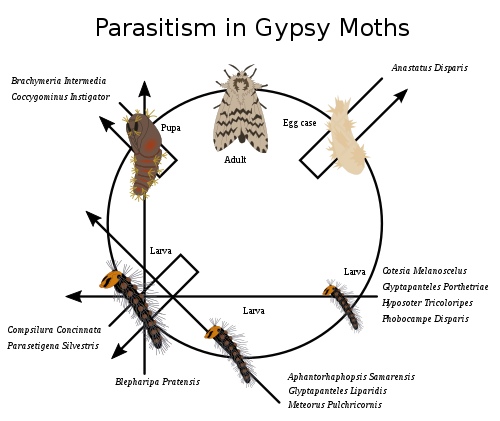
This stage lasts for up to 2 weeks until the adult appears. Adults are relatively harmless and can only live for 2 to 3 months. However, there is always the risk of increased egg production and carpet infestation.
Therefore, the life cycle and larvae of the adult carpet moth must be addressed in the treatment program, since the carpet moth can lay a maximum of 200 eggs at a time. They become moth larvae and start to eat. They eat until they have enough energy to develop. This usually takes 2 months; however, when food is insufficient or the temperature is low, they can survive 2 years before leaving the cocoons.
The larvae will stay in the cocoon for 1 to 2 months before the adult appears. Contrary to what people say that adult moths do not eat, male moths spend time looking for females to mate, while females look for favorable conditions for laying eggs. Clothing (carpet) larva that will damage the clothing when they are constantly looking for food.
The life cycle of moths in the carpet:
- Eggs. After mating, the female lays 40 to 50 eggs in 4 to 21 days, from which the larvae of the food machine hatch. They are eating fiber from your clothes for a few days before pupation.
- Larvae: They are wrapped in a silk box sealed with feces and fibers. During the transformation, they wrapped the corpse in silk turbans and ate on the way. They become butterflies.
- The butterflies mate and continue the cycle from May to October. The life cycle lasts about 65-90 days. Adult female moths live for about 30 days and can lay up to 300 eggs. The larvae hatch from the eggs is harmful because the adult butterflies themselves are called “mills” and pose no threat to their knitwear. The larvae feed on wool, hair, skin, cotton, linen, silk, and synthetic fibers. Fiber: almost everything that can be put in the mouth.
Adult Stage of the Clothes Moth
The common carpet moth, also known as webbing clothes moth, or Tineola bisselliella, is really small in adult size, only 5 to 8 mm long. The adult butterfly is beige or beige with a small piece of light red hair on its head. Adult butterflies are not strong aviators and prefer darkness to light. Therefore, unless your intrusion is severe, you are unlikely to see them fly away. When you do, they are more likely to float in the lower part of the room. Because of their size, unless awe attracts them, they are hard to find. Adult clothing conforms and reproduces, but does not nourish or harm. Adult female moths release a pheromone, and male moths can recognize the pheromone through their antennae. Males search for females by flying over the pheromone cloud, and then mating occurs.
Carpet Moth Larvae
Larvae: At the larval stage, the worm is about half an inch long, cream-colored, and has a body structure of nine segments. Tiny arms are attached to the three segments that follow the head. The next four are made up of tiny legs. A transparent body structure in their body, therefore, reflects the color of the fiber that they have consumed. At this point in the life cycle, the moth’s job is to eat and receive enough nutrients to make its cocoon shell, and to begin with, these tiny worms can feed from three weeks to several months. When you’re done, twist a complete cobweb cover and close it. In fact, early in the larval stage, they begin to make their cocoon and pull it out with them.
The eggs hatch and hatch into larvae that look like small cream-colored worms with a dark head. Newly created larvae are about 1 mm long but grow up to 12 mm. This is the most dangerous phase for the carpets because the larvae like chewing and they feed on natural materials that contain the protein keratin, such as wool, fur, cashmere, silk, feathers, and even leather.
Carpet Moth Eggs
Egg: The egg can hatch in a month or more. This depends on whether the environment is favorable for the egg to develop. The moths lay their eggs undisturbed. They make sure that the eggs are inserted deep into the fiber so that they cannot be easily removed. They are very small white eggs that are generally grouped together. Note that the very tiny particles that look like black eggs are the debris the moth leaves behind, not the eggs themselves.
Once mated, an adult female clothing moth lays 40 to 50 eggs over 2 to 3 weeks and then dies. Eggs are laid individually or in small groups, hidden in materials such as folds of clothing or soft furniture. Eggs are the size of the head of a pin. In summer the eggs hatch between 4 and 10 days and it takes up to 3 days. Weeks until they hatch in winter.
They are unlikely to feed on synthetic fibers, but it is possible when they are contaminated with food stains, skin cells, and human secretions like sweat. The larvae form silky threads that look like cobwebs. They eat, grow, shed, and repeat.
Adult Moths
Adult moth: The adult moth is a very small fly that is golden in color. You can still see the rings under the wings; However, the top rings now have six legs that have smaller attachments for gripping. The fly also has two long antennae.
The adult moth is a fly that migrates from one place to another while laying eggs. It can lay between 40 and 200 eggs. Adult moths can live for two to four weeks. During this time, they do not feed on anything and simply focus on laying thousands of eggs. The adult female dies after she finishes laying eggs.
What Causes Carpet Moths?
Because insecticides have been eliminated from the carpet production steps, this is one of the more common causes of carpet moths. Increased breeding activity in hot and humid weather. The central heating system provides you with a comfortable indoor living environment throughout the year. Carpet moths have a strong attraction to silk, wool, and fur, and keratin in skin and hair. They also like dirty clothes because they contain a lot of sweat and food particles. Carpet moths can be a big problem. Their larvae make them smaller, and the color that usually matches our carpet helps them stay hidden from our sight. They may be right in front of us, but we cannot see them. Your home can provide an ideal living space for these intruders. You want to know how? Below we will take a closer look at this topic.
Natural Fiber
The first and most important reason why moths live at home is a natural fiber. They prefer foods containing animal protein. Do you have a wool blanket? Do you have pet fur on your furniture or carpet? You cannot be immune to these intruders. From silk to the skin, they can bite any animal tissue material. This is caused by the moths’ habit to digest keratin, which is actually their food.
Synthetic Carpet
After reading the last paragraph about natural material, do you feel relieved? You thought: “I don’t have wool or natural silk materials! Moles won’t bother me. I’m afraid these textile enemies will still invade your home! More and more news spread, can carpet moths destroy synthetic carpets? Food left on the carpet, dust, hair, and fur feed on it. The carpet provides them with a warm and secluded place to lay eggs. You feast on them. Their size is microscopic. In this way, you will not notice the infection until there is any visible damage. This gives them the advantage of rapid and widespread dissemination. The carpet was broken by moths.
Lack of Cleaning
Carpet moths like to feed on dirt, hair, fur, and leftover food. All of these will accumulate without proper cleaning. Do you remember the day you said: “Ah, tomorrow I will vacuum. How dirty is a house in a day? The truth is, it will become very dirty. Not only that, but pests can stay longer without the need Worried.”It is a reminder that many people do not believe in the need to vacuum regularly. Trust me, that’s it. If there are no complaints, the larvae can settle down on the carpet. You can change your world by vacuuming every day. Some parts of the carpet are the dustiest. It can be under the furniture or near the edge. It may be a paradise for moths.

Dark and Comfy Place
This also applies to carpets, under furniture, and storage rooms. Female moths like to lay their eggs where there is a lot of food for their larvae. You can live in a quiet place for a long time. Your home is an ideal habitat for moths.
High Temperature
So, who would have thought that the warm, comfortable houses we like will also be loved by moths? I know that it is sad that the warm temperature has caused her reproductive activity to increase. Houses with central heating provide you with a comfortable living environment throughout the year. …This is another reason why carpet moths like to infect carpets. How does a nut rug get into your home? In case carpet moths enter your home, they can cause expensive and uncomfortable injuries. First of all, any hole may attract these butterflies.
Adult carpet moths can easily fly through windows, doors, or cracks. Larvae are everywhere. The hand carpets, rugs, or furniture you bring into your home may have been infected by moths, so they can easily get inside. Are you a taxidermy lover? Do you have cute toys in your house? If so, have you treated them with pesticides? Carpet moths like to feed on an animal’s skin. Untreated animal specimens can easily get infected. The most common thing that happens when you bring stuffed animals, is that you bring moles.
How to Get Rid of Carpet Moths with Natural Treatment
I recommend a 5-step process: thorough removal and cleaning with ‘Moth Fumers’, placing insecticide powder on the areas that have been previously infested, and along baseboards to destroy any larvae that was not removed during the cleaning process.
So these are the 5 steps:
- Identifying the insects
- Analyze how bad is your moth infestation on the carpet
- Clean up the places inhabited by the carpet moths
- Stop the reproduction cycle
- Eliminate carpet moths and also their eggs
If you are wondering, “Is there a way to get rid of the annoying moths?” Unfortunately, in the past decade, carpet moths are on the rise in the United States invading homes and personal belongings.
This means that the items you use every day, including your priceless carpets and clothing, the risk of permanent damage that may need to be replaced. Some of these pieces may have an emotional value, so throwing them away may be difficult. It’s always better to deal with the problem at the first sign of the moths appearance and then wait for a possible infestation.
Interestingly, adult moths are not the ones who eat the carpets, and they do not live long. Your only goal is to reproduce as quickly as possible in order to preserve the species. We hope you find this guide helpful. We have a lot more posts on our blog about other types of insects. Dealing with carpet moth infestations and instructions on how to properly treat carpet moths. If you think that there might be a clothes moth invasion in your home, your first thought should be to act as fast as you can, carpet moths multiply very quickly, and with a short life cycle, you’ll be surprised at how many of them appear within short time.
- Identifying carpet moths
The clothes belt moth also called a common moth, is very common in the United States and is the most widespread type in the country. Other types of insects are less common, however, they can be just as harmful to your carpets. You can see carrier moths in a pupal state, often attaching to the food source, i.e. their natural carpets. Smart! They are commonly found on the furniture, behind curtains, under couches, behind the TV, and in many other dark places.
To identify a carpet moth larvae look for the insects that have ¼ to ½ inches, are cream-colored, and have darker heads. Carpet moth eggs, which are white or off-white and usually fall onto the fabric or fibers of the carpets. You should know that carpet moths and storage moths are different insects, and consequently, they should be caught with different moth traps.
Carpet moths don’t really like to stay in the bedroom carpets, because there is not much food. They will prefer areas near the kitchen where food is stored. The larvae won’t eat the carpet but you may notice them on the carpet while they look for food.
- Analyze how heavy is the carpet moth infestation
You can try special carpet moth traps, they will help to identify which problem you may be having. On the contrary to different species of moth, dangerous carpet moths like mostly quiet and dark places (they may be found living under the sofas, near the baseboards, and dark corners of the room). Place the traps in those places to catch the insects and identify them.
Sometimes it happens that infestation was not discovered for a while, and then the carpet can become threadbare. Moth traps are a great solution in such cases, they will also trap adult moths and prevent the growth of the new carpet moths in your rooms by removing male moths from the breeding cycle.
Areas of potential carpet damage: room edges and along skirting boards, under and behind furniture, in corners, and behind curtains along the floor are all possible hotspots for carpet moth activity. Watch out for possible overlaps between carpets and bedroom furniture, such as closets and dressers. Carpet moths do not lay eggs in high-traffic areas of your carpet, such as on the center of the floor, or in the middle of rooms or where you vacuum regularly. They will seek darker, quieter, and dustier places to lay their eggs in order to provide the larvae with plenty of food and to maximize the adult carpet moth’s chances of survival throughout the life cycle.
- Clean up the places contaminated by carpet moths
Carpet moths like dust because it is rich in human hair, animal hair, and skin cells because they include keratin. You should vacuum clean under the furniture on a regular basis. Dust all the furniture regularly. Do you ever take out the blankets and carpets to shake and ventilate?
A thorough and regular home cleaning will help to reduce the risk of larvae infestation by carpet moths. In case carpet moths remain undetected for a long time, they can reproduce without being seen and of course, the moth larvae will cause the damage before you know it. When vacuuming, same as with ants, always empty the bag of your vacuum cleaner outside, tie it well and throw it into the trash to avoid the risk of carpet moth eggs or larvae being left in the house.
- Stop the reproduction cycle
You can stop the breeding cycle by using the traps, they will help to prevent adult moths from laying eggs in your carpets. Or they will at least contain the problem and reduce the damage caused to the floors and textiles at home.
As I said above, it’s the larvae that cause most of the damage, because adult clothing moths don’t feed on the carpets. The eggs develop into the larvae, and the final stage is the carpet moths. Moths may have different lifespans based on temperature and humidity. Some carpet moth larvae can live up to 3 years (eat your home textiles!). In warmer areas, they can migrate from egg to pupa and become adults in a little over a month. In any case, given the larvae causing the main damage, they are the destroyers and dangerous to have in your home.
- Eliminate carpet moths and also their eggs
Larvae of the carpet moths feed only on keratin, which is a protein made from natural animal fibers. They don’t usually choose chemically produced materials like polyester. Unfortunately, more expensive cloth textiles and furniture, as well as softer materials, are most at risk. Larvae like eating wool rugs, wool or cashmere blankets, curtains made of silk, wool sofas, or leather. Unfortunately, moth eggs are hard to notice, they’re small, but you can notice some larvae appearing before they develop and grow into the adult moths.
Treating carpet moths is the best guarantee. You can really treat the infested pests and kill carpet moth eggs as well as larvae. It’s good to use both spray and powder, they will leave effective residual protection within two weeks. Severe and persistent intrusions may need to be reapplied. If you want to use our mothproof kits on natural carpets, I definitely recommend that you use them multiple times, and each kit size has enough use.
Keratine in fur, hair and food dust will attract moths into your carpets-carpets and curtains need to be cleaned regularly and thoroughly cleaned regularly-dust can accumulate throughout the year even if it is not very serious, can be very large, and immediately visible. Take the pillow off the sofa and clean it underneath-you will be surprised by the other items you may find there.
Products that Kill Carpet Moths
- You can purchase moth papers, to entice the adults and prevent them from laying further eggs if they’re found in your house already.
- Install a moth trap inside the house so you can hold a watch out and screen for any destiny activity. The intention is to interrupt the breeding cycle of the moth laying greater eggs and beginning the cycle throughout again.
- Insecticide sprays, the repeated remedy will assist eliminate the moth infestation.