
What is shiplap? This is a question that many homeowners are asking lately. Shiplap is a type of siding that has been gaining in popularity in recent years. It has a lot of benefits, but there are also some drawbacks to consider before installing it on your home. In this blog post, we will discuss what shiplap is, how it is used, and the pros and cons of using it in your home.
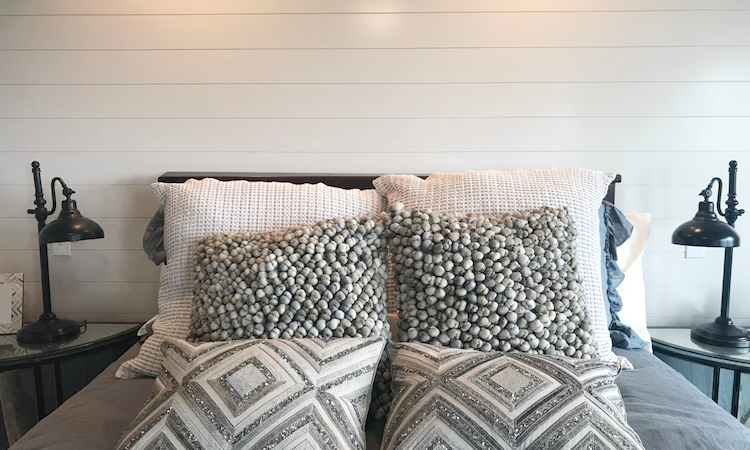
Shiplap is a type of wooden board that is often used in construction and home design. Shiplap has become increasingly popular in recent years as a way to add character and texture to a room.
Shiplap boards have a rabbeted edge, which allows them to fit snugly together. This creates a tight seal that helps protect the home from the elements. Shiplap siding is also known for its rustic charm and unique appearance.
Shiplap is a type of paneling that gets the name from the older construction method that was employed on ships. Shiplap boards provide a close fit due to the overlapping connection created by each individual piece of wood. This snug fit protects a vessel from the elements and ensures that it is watertight. To safeguard the house’s frame and external siding, architects began using shiplap siding on their construction projects. In modern interior design, shiplap is widely applied as an alternative to wallpaper and other stylistic elements.
Benefits of Shiplap
There are many benefits to using shiplap. Shiplap is relatively inexpensive, easy to install, and adds instant visual interest to any space. It can also be painted or stained to match your décor. Shiplap is also very durable and weather-resistant, making it ideal for use in high-traffic areas or areas that experience extreme temperature changes.
Shiplap Is Very Versatile
It may be used in a variety of ways. Shiplap is a versatile material that may be used successfully in practically any area of the house, as well as outside. This style is also adaptable for use in the adornment of patios and pergolas. The list is infinite since you can find them being used all throughout the world in the living rooms, baths, bedrooms, kitchens, and even basements.
With shiplap siding, there are unlimited design options because you can paint it whatever color you wish. In addition, you may choose to arrange shiplap either vertically or horizontally, based on what appears to be more pleasing to your eyes. It is a well-known truth that you will never reach this level of adaptability when working with drywall or masonry.
It’s Durable and Suitable for the High-Traffic Areas
The best option to protect the parts of your home that see the most foot traffic is to put up shiplap in the foyer and hallways. Shiplap is sturdy and can survive the high traffic of kids and animals over the years, in contrast to drywall, which is prone to damage at some point or another over the course of its lifetime. Shiplap outperforms drywall in terms of ease of cleaning and touch-up work when necessary.
If there comes a time when you have to take the wall boards down, it will look just as nice as it did when you first built it. In addition, if you keep the paneling in good condition for the coming years, you won’t have as much of a need for repair in the years to come.
Simple Setup
Nothing makes installation simpler than shiplap wood wall panels, which are available in a variety of styles. You won’t have to bother with grout lines and untreated glue, in contrast to the vast majority of other materials used for interior design and decoration. The procedure of installing them is fairly easy, since all that is required is to peel off the backing and glue them to the wall of your choice. After installation, you will have the benefit of hiding your walls as well as any wiring that has to be invisible.
When compared to alternative installation methods, such as vinyl or tongue and groove, shiplap is a breeze to put up. The boards may be easily stacked on top of each other without any difficulty. But if you are using shiplap as an exterior decor, you must make sure that it is flat against the house to avoid warping in the case of floods, which might cost you a lot of money in repair costs.
Shiplap Is Budget-Friendly
Shiplap is a low-cost option. It is the most cost-effective solution to improve the look of your property while also increasing its value. The cost of your project will differ depending on whether you want to cover just one wall or the whole room, but on the whole, it is not very expensive and is the simplest method to alter your space while obtaining a decent return on investment. You can cover an area that is ten feet by ten feet with shiplap for less than two hundred dollars if you have the shiplap cut from an affordable wood such as pine.
Drawbacks of Shiplap
Despite its many advantages, shiplap does have a few drawbacks. One is that it can be difficult to find boards that are all the same size and thickness. This can make installation more challenging than it would be with other types of materials. Shiplap also tends to show nail holes and imperfections more easily than other materials, so it requires a bit more upkeep in order to keep it looking its best.
If you’re considering adding shiplap to your home, there are a few things to keep in mind. First, decide what look you’re going for. Shiplap can be used to create a rustic or farmhouse-style aesthetic, or it can be painted for a more polished look. You’ll also need to consider the type of wood you want to use. Pine is the most popular choice for shiplap, but cedar and other woods can also be used.
Since shiplap is made of wood, it can easily absorb moisture. You have to follow some precautions when installing shiplap in a bathroom.
Installation of Shiplap
When it comes to installation, shiplap is relatively easy to work with. However, you will need a few tools, including a saw and a drill. It’s also important to measure your space carefully before cutting the boards to size. Once the boards are in place, you can add trim or molding for a finishing touch.
If you’re looking for a way to add interest and texture to your home, shiplap may be the perfect solution. With its many benefits and relatively low cost, shiplap is an ideal material for anyone who wants to update their space without breaking the bank.
Shiplap siding can be installed horizontally or vertically and is made from interlocking boards. Shiplap siding is easy to install and does not require any special tools.
- Begin by measuring the area where you will be installing the shiplap.
- Cut the boards to size using a saw.
- Apply construction adhesive to the back of the boards.
- Attach the boards to the wall, starting at the bottom and working your way up.
- Nail the boards into place using a nail gun or hammer and nails.
- Caulk any gaps between the boards and paint or stain the shiplap as desired.