

Many homeowners are interested in increasing the value of their homes, and there are a number of different ways to do this. One popular option is to install hardwood floors. Hardwood floors offer a number of advantages in terms of durability, aesthetics, and practicality. This can translate into a higher resale value for your home.
In terms of aesthetics, hardwood floors provide a warm and natural look that is highly sought-after by buyers. Hardwood floors are also very durable and easy to maintain, which is another plus in the eyes of potential buyers. Overall, hardwood floors can definitely help to increase the value of your home.
In this post, you will learn how much hardwood floors increase the home value, and how you can make sure that they do.
How Much Does Hardwood Flooring Increase Home Value?
According to consumer reports, a possible home value increase is around 3-5%. The lifespan of solid wood flooring is often over a century. The lifespan of engineered hardwood flooring is up to 50 years.
The fact is that hardwood floors can offer a significant return on investment. According to a recent study by Realtor, homes with hardwood floors sold for an average of 2.5% more than homes with other types of flooring. In addition, hardwood floors can help to make a home more marketable. In a competitive housing market, the addition of hardwood floors can give your home an edge over other similar properties.
While the return on investment for hardwood floors may not be as high as some other home improvements, it is still a significant amount. For homeowners looking to add value to their property, hardwood floors are definitely worth considering.
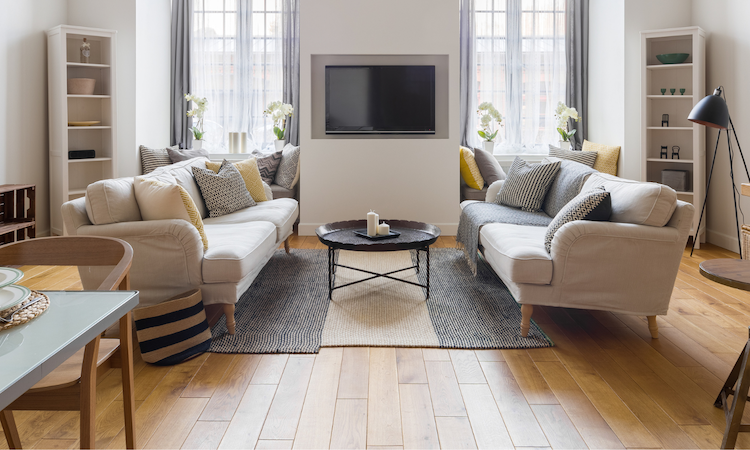
Engineered wood flooring is a wonderful option if you want to sell your home soon due to its lower initial investment and similar appearance to solid wood flooring at a fraction of the cost. Plus, they are easier to clean than solid wood floors.
How to Make Sure Hardwood Floor Will Increase Home Value?
Now that we have established that hardwood floors add value to the property, there are a few things to remember.
Not all hardwood floors are created equal, and it is important to take care when choosing a type of wood and installing the flooring to ensure that it will increase home value.
Quality of Installation Is Important
The quality of the installation is important – a poor installation can decrease the value of the flooring.
The quality of installation of hardwood floors is important for several reasons. First, poor installation can result in gaps and unevenness in the floor, which can be unsightly and dangerous. Second, inadequate installation can void the warranty on the flooring, leaving the homeowner responsible for any repairs. Finally, poorly installed hardwood floors are more likely to suffer from cupping, buckling, and other problems. To ensure that your hardwood floors are installed properly, it is important to hire a qualified and experienced installer.
How to make sure hardwood floors are installed correctly?
Before installing the hardwood floors, a good installer will make sure the subfloor is clean and level. Uneven surfaces can cause the boards to warp or cup, and debris can interfere with the adhesive.
Another important step is acclimatization. Wood flooring has to be properly stored on the construction site (in the room where it will be installed) to begin the acclimation process. It has to be cross-stacked and spaced out so that air may flow freely between the boards. The typical acclimatization period recommended by manufacturers is three days, however, this period can be increased to six days if necessary.
Second, the installer should use a moisture barrier to protect the wood from excessive moisture. This is especially important in rooms that are susceptible to condensation, such as kitchens and bathrooms. Third, take care when cutting the boards to size. Any mistakes can be difficult or impossible to fix later on, will look messy, and decrease the value of the floors.
Regular Maintenance Is Key
Finally, regular maintenance is essential to keep hardwood floors in good condition; otherwise, they may actually decrease the value of your home.
- Quickly mop up any liquids as soon as the spill has happened.
- Maintain a weekly vacuuming schedule and rain-proofing measures throughout the wet season.
- To clean the floor and get rid of any residue, use a cleaner that does not include wax.
- Use rugs and doormats in rooms with high traffic.
By taking these factors into account, you can be sure that your hardwood floors will be an asset rather than a liability when it comes time to sell your home.
How to Spruce Up Old Hardwood Floors to Increase Home Value
If your home has hardwood floors, then you’re in luck. Hardwood floors are not only classic and timeless, but they can also increase the value of your home. However, if your hardwood floors are looking worn and outdated, then they may actually be lowering the value of your home.
Luckily, there is an easy way to spruce up old hardwood floors and increase your home’s value by refinishing the floors.
Refinish the Hardwood Floors
Refinishing hardwood floors is a relatively simple and inexpensive process that can make a big difference in the look of your home. Plus, it’s a great way to add some extra value to your property. So if you’re looking to increase the value of your home, refinishing your hardwood floors is a great place to start.
Check out our guide on how to refinish hardwood floors correctly.
Deep Clean Hardwood Floors Before Viewings
Before you show your home to any potential buyers, it is important to deep clean your hardwood floors. Not only will this help them to look their best, but it will also remove any dirt, dust, and debris that could be tracked into other areas of the house.
The best way to deep clean hardwood floors is to use a damp mop, and a specialized cleaning solution for hardwood floors (we recommend Bona). This will not only remove all of the dirt and grime, but it will also kill any bacteria or pathogens that may be present. Cleaning your hardwood floors before viewings is the best way to ensure they are clean and looking their best.
Conclusion
Many homeowners are interested in making changes that will increase the value of their homes. Hardwood floors increase the value of homes by an average of 2-3%. It may seem modest, but when it comes to house prices, even a few percent can be a significant value.
Hardwood floors have a classic look that can appeal to potential buyers, and they are also relatively easy to care for. In addition, hardwood floors can last for decades with proper maintenance. For all of these reasons, it is not surprising that hardwood floors are often seen as a valuable addition to any home. While there is no guarantee that installing hardwood floors will lead to a much higher sale price, it is certainly worth considering if you are looking for ways to add value to your home.