

Engineered hardwood floors are a great alternative to solid wood, and have so many pros. First of all, it’s cheaper, which is great if you’re looking for ways to save some renovation budget. Engineered hardwood floors consist of a few layers, which makes them less susceptible to moisture damage and shifting.
These floors are also very easy to clean. However, you should use special solutions and tools, if you wish these floors to serve for many years. In this post, you will learn how to clean engineered hardwood floors, what tools to use, and will find answers to the most frequently asked questions.
How To Clean Engineered Hardwood Floors – Recommended Method
Engineered hardwood floors are a beautiful and durable flooring option, but they require special care to maintain their lustrous finish. Here are some tips for cleaning engineered hardwood floors:
- Dust regularly with a soft, dry cloth or dust mop. This will help to remove dirt and debris from the surface of the floors.
- Vacuum with a soft-bristled attachment. Be sure to use a vacuum cleaner that is designed for use on hardwood floors. Otherwise, you risk damaging the floors with the strong suction of the vacuum. Plus, the wrong brush can scratch the floor, so be careful. Don’t use a beater bar!
- Damp-mop with a pH-neutral cleaner created especially for hardwood floors. We recommend using Bona Hardwood Floor Cleaner. Avoid using excessively wet mops, as this can damage the floors. Also, be sure to wring out the mop thoroughly before mopping, as too much water can lead to warping or other damage.
If you have any spills, spot-clean them immediately. Use a clean, damp cloth to wipe up any liquid spills as soon as they happen. Do not try to rub the spill out, as this can spread it and damage the finish of the flooring.
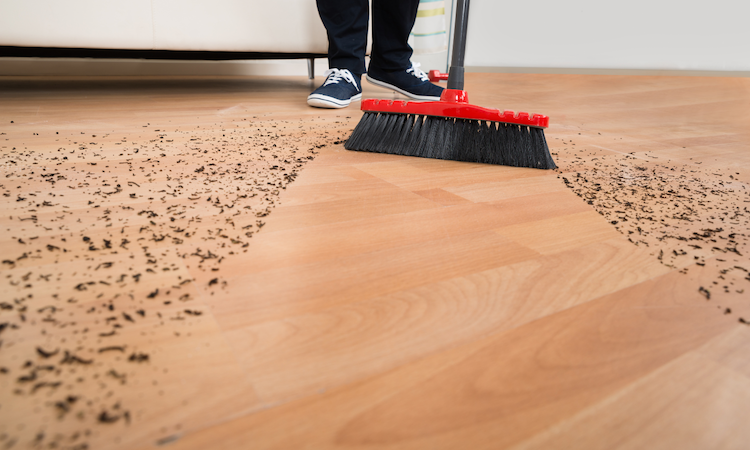
Engineered hardwood floors should be cleaned regularly to maintain their beauty and extend their lifespan. By following these simple tips, you can keep your floors looking like new for years to come!
FAQs on How to Clean Engineered Hardwood Floors
Here are some of the most frequently asked questions about cleaning engineered hardwood floors.
Can Engineered Wood Floors Be Wet Mopped?
When it comes to hardwood floors, there are a few things you should know in order to keep them looking their best. One of the most important things to remember is that engineered wood floors can be wet mopped, as long as you use the right products and don’t wet your mop too much. A damp mop should be more than enough.
Mopping is an effective way to clean hardwood floors, and it can also help to protect against scratches and scuffs. Just be sure to use a cleaner that is specifically designed for hardwood floors, and avoid using excessive amounts of water. If you’ve used the appropriate amount of water, the floor will be dry in under a minute. With a little bit of care, your engineered wood floors will be clean and last longer.
How Often Should I Clean Hardwood Floors?
One question that many homeowners have is how often to clean engineered hardwood floors.
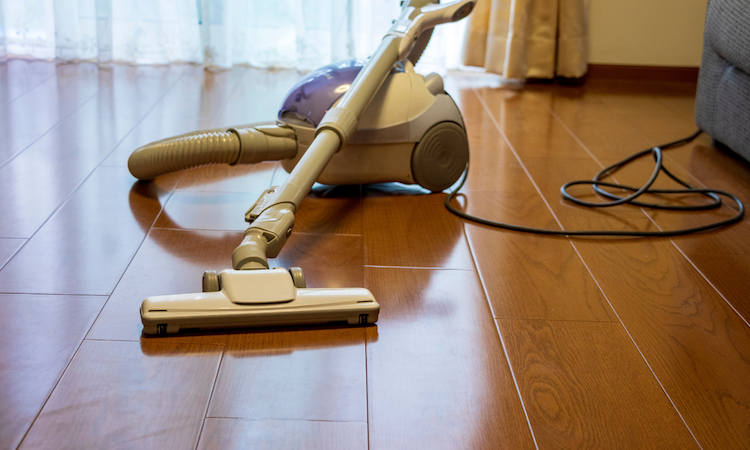
Generally speaking, you should aim to regularly clean your engineered hardwood floors at least once a week. This will help to remove any dirt, dust, or debris that has been tracked in from outside. If you have pets or small children, you may need to clean more often.
You should also deep clean them at least once a month.
There are a few different ways that you can clean your engineered hardwood floors on a regular basis. You can use a vacuum with a soft brush attachment, or you can use a mop with a mild cleaner. Floor finishes are delicate, don’t risk ruining them by using aggressive chemicals or cleansers.
How to Remove Bare Foot Prints from Engineered Hardwood Floors?
One of the most common problems is removing barefoot prints from the floor.
Why do they appear? Most likely because someone has used a cleaner which isn’t suitable for the hardwood floors.
While there are a number of commercial cleaners that claim to be effective at removing these stains, they can often be expensive and time-consuming to use. A more cost-effective and efficient method is to use a mixture of equal parts white vinegar and water. Simply dampen a cloth with the solution and wipe away the stains. You may need to scrub a bit harder for tougher stains, but overall this method should remove most barefoot prints quickly and easily.
If that doesn’t work, try using a commercial cleaner. We recommended getting some Bona Pacific Floor Cleaner Concentrate. You should dilute it with water in accordance with the recommendations on the bottle. This thing is amazing.
How to Disinfect Engineered Hardwood Floors?
There can be many reasons why you’d like to keep the floors germs-free. It’s not a complicated process as long as you follow all the recommendations.
Dust, pet hair, and loose debris like dirt and gravel should be swept away, mopped, or wiped off with a microfiber cloth or a dry mop before sanitizing hardwood floors. Before disinfecting hardwood floors, you may also use a vacuum in the hardwood floor mode to remove dirt and dust.
Use Clorox Scentiva Disinfecting Wet Mopping Cloths to quickly and easily disinfect hardwood floors. They are compatible with a mop head, such as the Swiffer Sweeper3. After that, to sanitize hardwood floors, follow these three simple steps:
- Hook a damp mop cloth to the sweeper’s head.
- Wipe the floor.
- When sanitizing, leave the floor wet for 10 seconds, and when disinfecting, leave it wet for 4 minutes.
- It’s best to wait for the flooring to dry naturally.
- You don’t even need to rinse it off!
The EPA has certified the following Clorox Bleach disinfection procedure for use on hard, nonporous surfaces, so you can be sure it will work to destroy germs and bacteria on your hardwood floors:
- Mix together 1/2 cup of Clorox Disinfecting Bleach with 1 gallon of water for a disinfecting solution.
- Get rid of any dirt or debris with water, then use the disinfectant on a mop or a wipe.
- Leave it for 5 minutes, after which give it a good rinsing.
- It’s best to let the floor air dry.
What Is the Best Commercial Cleaner for Engineered Hardwood?
Professional floor installers recommend Bona Hardwood Floor Cleaner for the best hardwood floor maintenance. The pH-balanced formula is safe for both people and pets, and it leaves behind a streak-free shine. The cleaner is also effective at removing dirt, dust, and grime build-up, making it ideal for daily cleaning. Simply spray the cleaner onto the floor and wipe it away with a damp cloth or mop. For best results, use Bona Hardwood Floor Cleaner on a regular basis to keep your floors looking like new.
There is no need to mix, measure, or rinse – just spray and clean. Bona Hardwood Floor Cleaner leaves no dulling residue, making it ideal for use in high-traffic areas.
Cleaning hardwood floors with the residue-free, quick-drying solution is as easy as mopping the floor, and it will have your floor looking as good as new in no time.
How Much Does the Professional Cleaning Cost?
Many people are surprised to learn that the cost of professionally engineered hardwood floor cleaning can vary widely. Depending on the size and type of floor, the level of dirt and debris, and the number of rooms to be cleaned, the price can range from a few hundred dollars to several thousand.
The typical cost to clean hardwood floors is roughly $.50 per square foot. The price per square foot is between $0.40 and $0.80.
Hardwood floor refinishing costs can range between $3 and $7 per square foot, depending on the species of wood, your location, and other variables.
However, as with most things in life, you get what you pay for. When choosing a professional cleaner, it is important to consider their experience, reputation, and whether they offer a satisfaction guarantee. With so many factors to consider, the best way to get an accurate estimate is to request quotes from several different companies. By taking the time to do your research, you can be sure to find a reputable company that offers a fair price for their services.
How to Make Engineered Hardwood Floors Last Longer?
Engineered hardwood floors are a popular choice for many homeowners because they are beautiful and durable. Plus, they can increase the value of the home. However, like all flooring, they can eventually become worn and need to be replaced.
There are a few things you can do to help make your engineered hardwood floors last longer.
- First, vacuum or sweep them regularly to remove dirt and debris that can scratch the surface.
- Second, use mats at all entrances to your home to help protect the floors from outdoor dirt and debris.
- Third, place furniture pads under all legs of furniture to prevent scratching.
- Finally, have your floors professionally cleaned and sealed every few years to help keep them looking like new.
By taking these simple steps, you can help extend the life of your engineered hardwood floors.
Can I Refinish Engineered Hardwood Floors?
We often get asked whether or not engineered hardwood floors can be refinished. The good news is that, in most cases, the answer is yes! However, there are a few things to keep in mind before starting any refinishing project.
First, it is important to check the warranty on your floors. Many manufacturers void the warranty if the floors are refinished, so it is important to be aware of this before starting any work.
Second, engineered hardwood floors are thinner than solid hardwood floors, so you will need to be careful not to sand too deeply. If you sand too deeply, you risk damaging the veneer layer and exposing the plywood underneath.
Third, it is important to choose the right finish for your floors. Some finishes are not compatible with engineered hardwood, so be sure to consult with a professional before making any decisions.
With these things in mind, refinishing your engineered hardwood floors can be a great way to give them a new lease on life!
Conclusion
Engineered hardwood floors are a beautiful and durable option for any home. However, like all floors, they require regular care and cleaning to stay looking their best. The good news is that cleaning engineered hardwood floors is relatively simple, and can be done with just a few household supplies.
So there you have it. I hope you enjoyed our complete guide to cleaning engineered hardwood floors. By following these simple steps, your floors will be looking and smell fresh in no time.