
Do you have a pond in your backyard? Or maybe you just plan of digging it? Then you’ll be interested in how to keep it healthy. Oxygenating plants are the easiest way to keep your pond thriving. Not only do they provide oxygen to the water, but they also act as a natural filter, removing toxins and pollutants. In addition, oxygenating plants can help to prevent algae growth by competing with algae for nutrients.
If you’re looking for ways to improve your pond’s health, consider adding these oxygenating plants!

What Are Oxygenating Plants?
Oxygenating plants are fast-growing and help to keep the water clean by absorbing carbon dioxide and releasing oxygen through photosynthesis. In addition, they provide a habitat for fish and other aquatic creatures. Oxygenating plants are generally located at the bottom of the pond, where they can take advantage of the oxygen-rich water. Many ponds also have floating oxygenating plants, which help to keep the surface of the water oxygenated.
Types of Oxygenating Pond Plants
There are three main types of oxygenating pond plants: submerged, marginal, bog, and floating.
Submerged Plants
Submerged plants are an important part of a healthy pond ecosystem. As their name suggests, their stems and leaves grow entirely underwater. Although some species of submerged plants may also have floating leaves, the majority of their foliage is found growing beneath the surface of the water. Submerged plants play a vital role in oxygenating the water and providing shelter for fish and other aquatic creatures.
Several submerged plants may grow in a dense “meadow” along the lake’s bottom, while others may spread out far.
They also help to regulate water temperature and prevent algae growth. When choosing submersed plants for your pond, it is important to select species that are well-suited to your local climate and water conditions.
Marginal Plants
Marginal pond plants are plants that are grown on the edge of a pond, in shallow water, or in moisture-retentive soil. They can survive in water up to 6 inches above the plant’s crown, making them ideal for pond borders and even streams. These plants vary range in size and form, and some even produce flowers. These plants help to oxygenate the water, provide shelter for wildlife, and prevent erosion. Common marginal pond plants include cattails, irises, and sedges.
Bog Plants
Bog plants are typically native to wetland areas, so they are well adapted to the conditions in most ponds. When choosing bog plants for your pond edges, be sure to select a variety that is appropriate for the type of your soil. Also, make sure to place the plants where they will get enough light and won’t be overcrowded by other plants. With a little care, bog plants can play an important role in keeping your pond healthy and beautiful.
Floating Plants
Many gardeners choose to add floating pond plants to their water gardens for both aesthetic and functional purposes. Floating plants can provide a striking contrast to underwater plants and help to create a more natural-looking ecosystem. In addition, floating plants play an important role in maintaining water quality by absorbing nutrients that would otherwise cause algae growth. They also help to keep the water cooler and oxygenated. As a result, floating pond plants can be a valuable addition to any water garden.
Top 10 Oxygenating Plants For Ponds
1. Elodea

Elodea is a common aquatic plant that is often used in ponds and water gardens. It is a fast-growing plant that can quickly spread to cover the entire surface of a pond. Elodea is also an effective pond filter, helping to keep the water clean and clear. The plant is native to North America, and it can be found in most pet stores or garden centers. Elodea is easy to care for and does not require any special equipment or chemicals. However, it is important to keep an eye on the plant, as it can become invasive if left unchecked. Elodea is a great option for anyone looking to add some green to their pond.
Preferred conditions: partial shade or full sunlight.
2. Parrot’s Feather
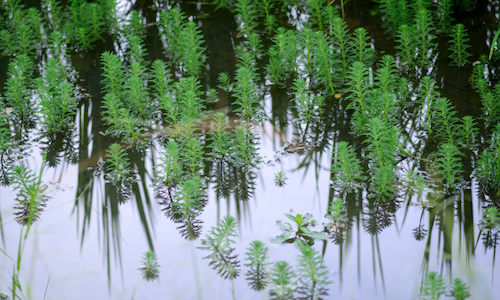
The Parrot’s Feather plant (myriophyllum aquaticum) is a submerged aquatic plant that is native to South America. It gets its name from its distinctive feather-like leaves, which are arranged in whorls of four to six. The leaves are green with white stripes running along their length. The plant produces small flowers that are borne on spikes above the water’s surface. These flowers are pollinated by bees and other insects. The Parrot’s Feather plant is an invasive species that has been introduced to many parts of the world, where it often causes problems by clogging waterways and outcompeting native plants. In its native range, the plant is an important food source for fish, amphibians, and reptiles. It is also used as a decorative plant in aquariums and ponds.
It’s a popular and useful pond oxygenator.
Preferred conditions: sunlight, slightly alkaline conditions.
3. Red Ludwigia
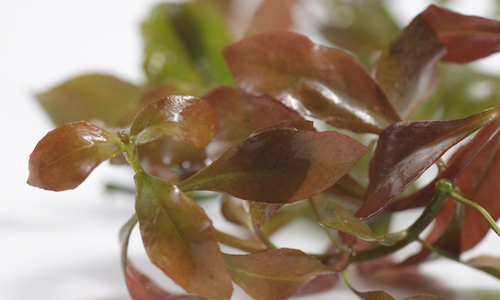
The red ludwigia is another popular pond plant. It gets its name from its bright red leaves, which add a splash of color to any pond. The red ludwigia is a fast-growing plant, and it can quickly become invasive. In the wild, the red ludwigia grows in marshy areas and along the banks of streams and rivers. It is native to Central and South America. The red ludwigia is an easy plant to care for and it does not require special lighting or CO2 injection. It can be propagated by cuttings, and it will readily grow in most substrates. The red ludwigia is an excellent plant for oxygenating the water in a pond, and it is also a good food source for grazing fish.
Preferred conditions: prefers full sun.
4. Hornwort (coontail)

Hornwort is a free-floating aquatic plant that is native to North America. It gets its name from the horny keratinous outgrowths on the leaves and stems. Hornwort is naturally found in ponds, lakes, and streams. Hornwort is an excellent plant for oxygenating ponds and helping to control algae growth. It is fast-growing and can quickly cover the surface of a pond. Hornwort can also be used as food for ducks (they love it and eat it whole), fish, and other aquatic animals.
Preferred conditions: full sun or partial shade.
5. Mint Charlie

The Mint Charlie plant is a variety of water mint that is native to the Eastern part of North America. It is a perennial plant that can grow up to three feet tall. The leaves are dark green and have a spearmint-like fragrance. The flowers are white or purple and bloom from June to August. The tiny, funnel-shaped lavender blooms it bears are really stunning. These flowers make the plant look nice and also help pollinators do their job.
The Mint Charlie plant is one of the best oxygenating plants for ponds and water gardens. It grows quickly and vigorously, and its roots help to keep the bottom of the pond clean. In addition, the minty fragrance of the leaves will add a refreshing scent to the air around your pond.
Preferred conditions: warmer climates, full sun, or partial shade.
6. Typha (Сattails)
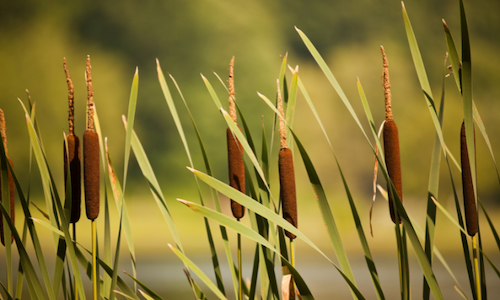
Typha (cattails) is an optimum plant for oxygenating ponds. It improves water quality by reducing nutrient loadings. The roots of Typha Сattails act as a biological filter, trapping pollutants and holding sediment in place to prevent erosion. These plants also play an important role in the nitrogen cycle by taking up nitrogen from the water and releasing it back into the atmosphere through their leaves. In addition, typha helps to regulate dissolved oxygen levels in the water, and aerate a pond, providing ideal conditions for fish and other aquatic creatures.
Preferred conditions: shallow water, full sun, or light shade.
7. Lotus
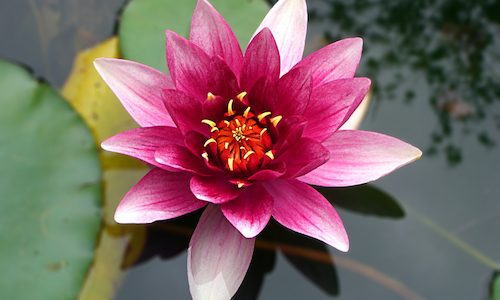
This one is my favorite! The lotus plant is an aquatic plant that is native to Asia. It has beautiful, large, green leaves and flowers that can be white, pink, or purple. The lotus grows in shallow water and is often used as an ornamental plant in ponds. The roots of the plant help to oxygenate the water and the flowers are a food source for bees and other pollinators. The lotus is also a symbol of purity and rebirth in many cultures.
Preferred conditions: full sunlight.
8. Fontinalis Antipyretica – Water Moss

Fontinalis antipyretica, commonly known as water moss or willow moss, is a species of aquatic moss that is native to Europe and North America. It is often found growing in ponds, streams, and other bodies of water. Water moss gets its name from its willow-like leaves, which are arranged in whorls of four to six. The leaves are dark green in color and have a glossy surface. Water moss grows best in cool, shady areas with plenty of moisture. It is an important plant for oxygenating ponds and other bodies of water.
Preferred conditions: sunlight or part shade.
9. Arrowhead

Arrowhead (Sagittaria latifolia) is an aquatic plant that is often used for pond oxygenation. It is a perennial plant that can grow up to 3 feet tall. Arrowhead has long, narrow leaves that are typically 3-7 inches long and 2-4 inches wide. The leaves are attached to the stem via a sheath. Arrowhead produces white, showy flowers that are about 1 inch wide. The flowers have 3 petals and 3 sepals, and they are arranged in whorls of 3. Arrowhead is native to North America, but it can now be found in other parts of the world as well.
Preferred conditions: bright, filtered light.
10. Water Crowfoot (Ranunculus Aquatilis)

Water crowfoot is a common name for several aquatic plant species in the family Ranunculaceae. The name refers to the plant’s leaves, which are divided into leaflets that resemble the feet of a crow. Water crowfoot grows in ponds, lakes, and streams throughout North America and Europe. The plant is an important food source for waterfowl and other wildlife. Water crowfoot also plays a role in oxygenating pond water. The plant’s roots extend into the sediment, where they take up nutrients and release oxygen. This oxygenation is essential for the health of fish and other aquatic creatures.
Preferred conditions: full sun.
Benefits Of Adding Oxygenating Plants To Your Pond
If you love your garden as I do, you know that diversity of the plants is essential for a healthy ecosystem. Oxygenating plants for ponds not only provide oxygen and food for animals, but they also help to regulate the temperature and moisture levels of their environment. This is why many gardeners choose to add oxygenating plants to their ponds. Oxygenating plants play an important role in keeping pond water clean and clear by absorbing nutrients and pollutants from the water. In addition, they provide vital oxygen for fish and other aquatic life. I came up with a list of many benefits of adding them, just see for yourself.
-
The Most Obvious Benefit – Increase Pond Oxygen Levels
One of the benefits of adding oxygenating plants to your pond is that it can help to increase the pond’s oxygen levels. Oxygen is essential for the health of fish and other aquatic creatures, and it is also necessary for the decomposition of organic matter. Adding oxygenating plants to your pond can help to ensure that the water has adequate levels of oxygen.
-
Clearer Water
Another benefit of adding oxygenating plants for ponds is that it can help to make the water clearer. Oxygenating plants help to break down organic matter in the water, which can make the water appear murky. By adding these plants to your pond, you can help to keep the water clear and free from debris.
-
Healthier Fish
Your fish will love them! Adding oxygenating plants to your pond can also help to make the fish healthier. Fish need oxygen to survive, and they also require a certain level of dissolved oxygen in the water in order to stay healthy. By adding these plants to your pond, you can help to ensure that the fish have adequate levels of both of these important elements.
-
Fewer Algae Blooms
Algae blooms can be a major problem in ponds, as they can quickly deplete the oxygen levels in the water and cause harm to fish and other aquatic creatures. Adding oxygenating plants to your pond can help to reduce algae growth by providing additional oxygen to the water. Oxygenating plants suck nutrients out of the water, preventing algae from growing fast. This can help to keep your pond looking clean and free from algae blooms.
-
Improved Water Circulation
Another benefit of adding oxygenating plants to your pond is that it can help to improve circulation within the water. Poor circulation can lead to stagnant areas in ponds where debris and algae can accumulate. By adding these plants to your pond, you can help to ensure that the water circulates properly and does not become stagnant.
-
Natural Water Filtration
Oxygenating plants can also provide natural filtration for your pond by helping to break down harmful chemicals and toxins in the water. This type of filtration is important for keeping your pond clean and safe for both fish and humans.
-
They Look Beautiful!
In addition to all of the functional benefits of adding oxygenating plants to your pond, these plants can also add aesthetic value. Who doesn’t enjoy the look of aquatic plants? Adding them to your pond can make it look more lively and visually appealing.
How To Choose The Right Oxygenating Plant
When it comes to oxygenating plants, there are a few factors to consider.
1. Size and Depth of the Pond
First, you need to think about the size of your pond. Smaller ponds will require less oxygen, so you can choose a plant that is smaller in size.
2. Local Climate
Second, you need to consider the climate in your area. Some plants are better suited for colder climates, while others do better in warmer climates.
3. Amount of Sunlight
You need to think about the amount of sunlight that your pond receives. Some plants need more sunlight than others in order to thrive.
By taking all of these factors into consideration, you will be able to choose the right oxygenating plant for your pond.
The Best Time Of Year To Add Oxygenating Plants To Your Pond
Most pond plants require oxygen to survive, so adding them to your pond can help to improve water quality and encourage a healthy ecosystem. However, the best time of year to add oxygenating plants will vary depending on the climate and the type of plant. In general, it is best to add oxygenating plants in the spring or early summer when they will have the longest growing season.
In warmer climates, it may be possible to add them later in the year. If you are not sure when the best time is to add oxygenating plants for ponds, ask a local nursery or garden center for advice.
Conclusion
If your pond is looking a little lackluster, or you’re just looking to boost the oxygen levels for the health of your fish, adding some oxygenating plants for ponds is an easy and affordable solution. As long as you take into account the light and temperature needs of the plants you choose, they should thrive in your pond environment and help keep things running smoothly.